She Called it Channelling
At last night's salon, we got to talking about female artists who quietly fueled their husbands' genius — and this morning I fell so far down a rabbit hole I barely made it out in time for dinner.
Let me tell you a story.
It's October 1917. Georgie Hyde-Lees (25) has just married W.B. Yeats (52) who is - embarrassingly - still pining for another woman. In fact, two other women. He'd proposed to Maud Gonne (his great obsession) and she rejected him. Then he immediately proposed to Maud's daughter Iseult (eww) who also rejected him. And then finally, in fit of romantic desperation, he marries Georgie. But on their honeymoon, in a Sussex forest hotel, he is still freaking out, brooding and writing letters to Iseult. Georgie can see exactly what's happening and decides to do something about it.
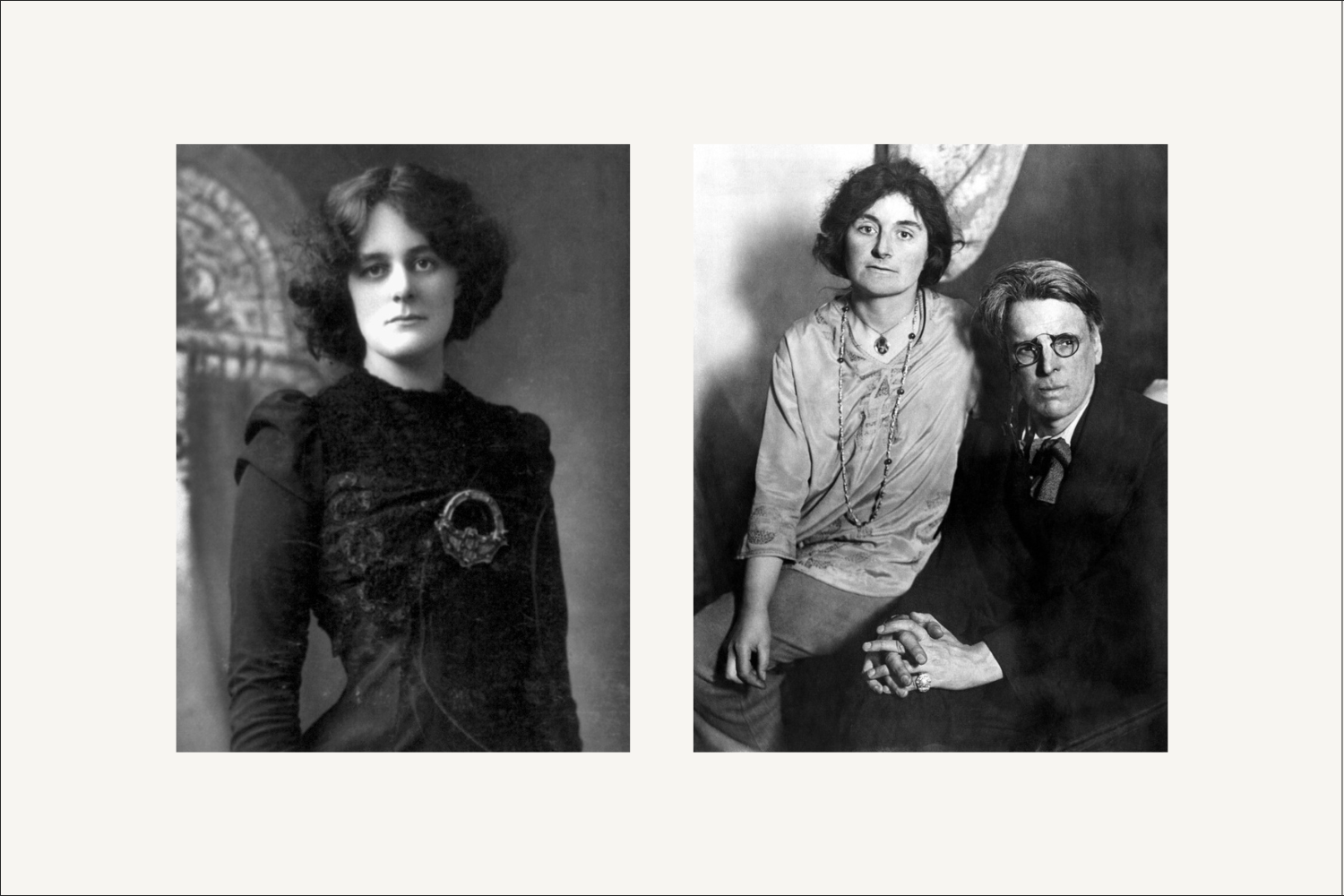
I mean, the guy had a type. Left, Maud Gonne - Right, Georgie and W.B. Yeats. Not shown: Iseult Gonne, Maud’s daughter (eww).
So, what does Georgie do?
Four days into this honeymoon from hell, she picks up a pencil and begins to write automatically - meaning, she began channelling spirits and dictating what they told her. (It was a thing back then. Georgie’s good friend - who was the wife of Arthur Conan Doyle - also had this talent.)
Georgie’s idea was to fake a sentence or two that would get her husband to calm down and be a decent human being. The first message went something like "What you have done is right for both the cat and the hare" - the cat being Georgie, the hare being Iseult. Yeats was immediately captivated and evidently soothed by this wisdom.
Georgie later told a friend that she had planned to own up to her little ruse, but it had worked so well that she decided ah well, what’s the harm? ... (New York Review of Books)
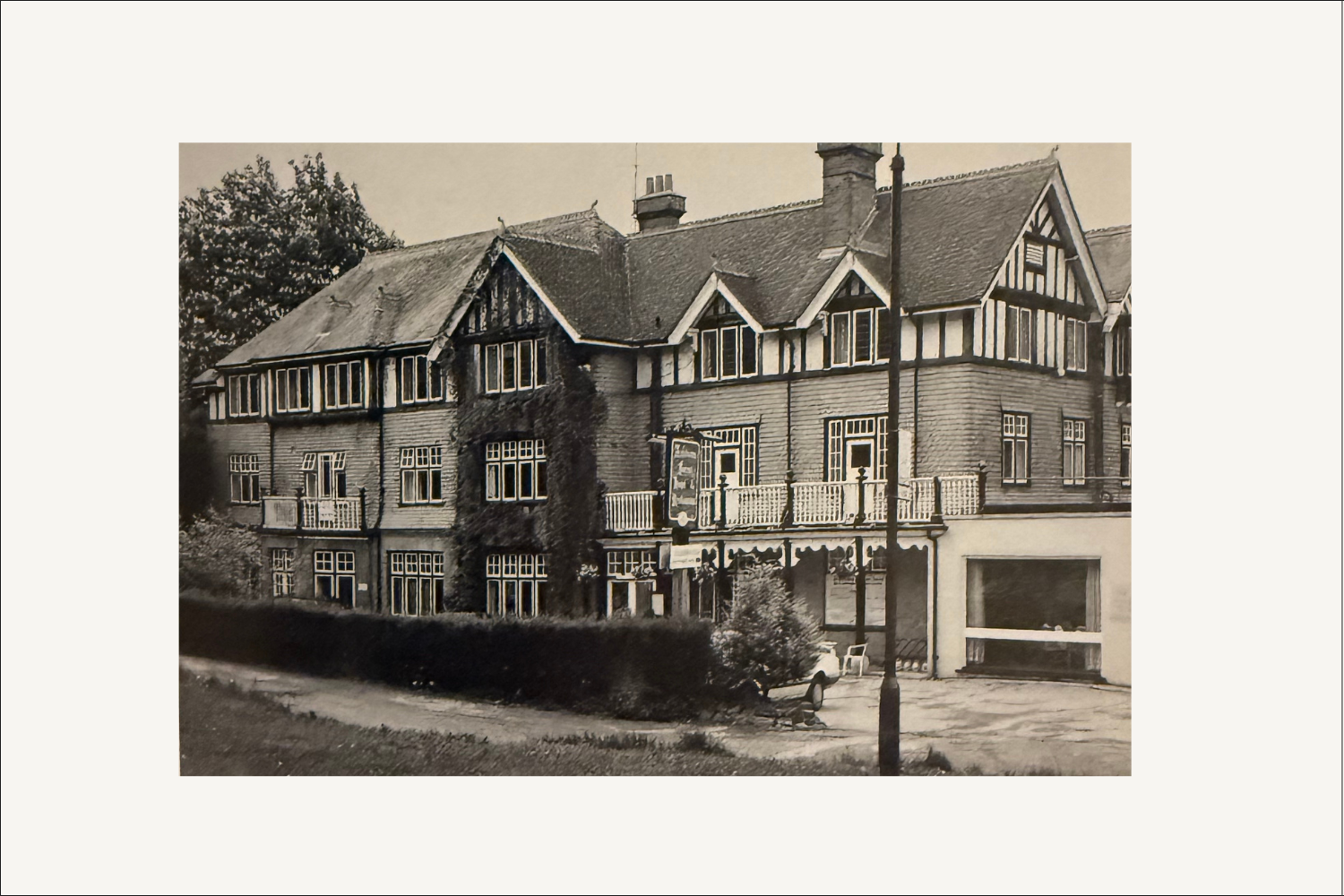
Ashdown Forest Hotel, wherein the honeymoon suite, Georgie begins automatic writing / saving her marriage.
Couples counselling + metaphors for poetry
In their first three years together, the couple averaged three automatic writing sessions a week, creating 4,000 pages of material. The spirits - who had names like Thomas of Dorlowicz, Ameritus, Leaf, and Apple - handed over poetry and story ideas. But they were also quite practical! They suggested Yeats switch to a healthier diet, hinted when Georgie was ovulating so the couple could have a baby and even offered helpful suggestions on how Yeats could make sex more enjoyable for Georgie. (How much do you love this woman?)
Eventually the writing became speaking. Georgie would sink into a half-sleep (the hypnagogic state) and the spirits would speak: different ones at different times. And all of it became the raw material for A Vision, Yeats's great mystical work. When the spirits were asked what their purpose was, they said: "We have come to give you metaphors for poetry."
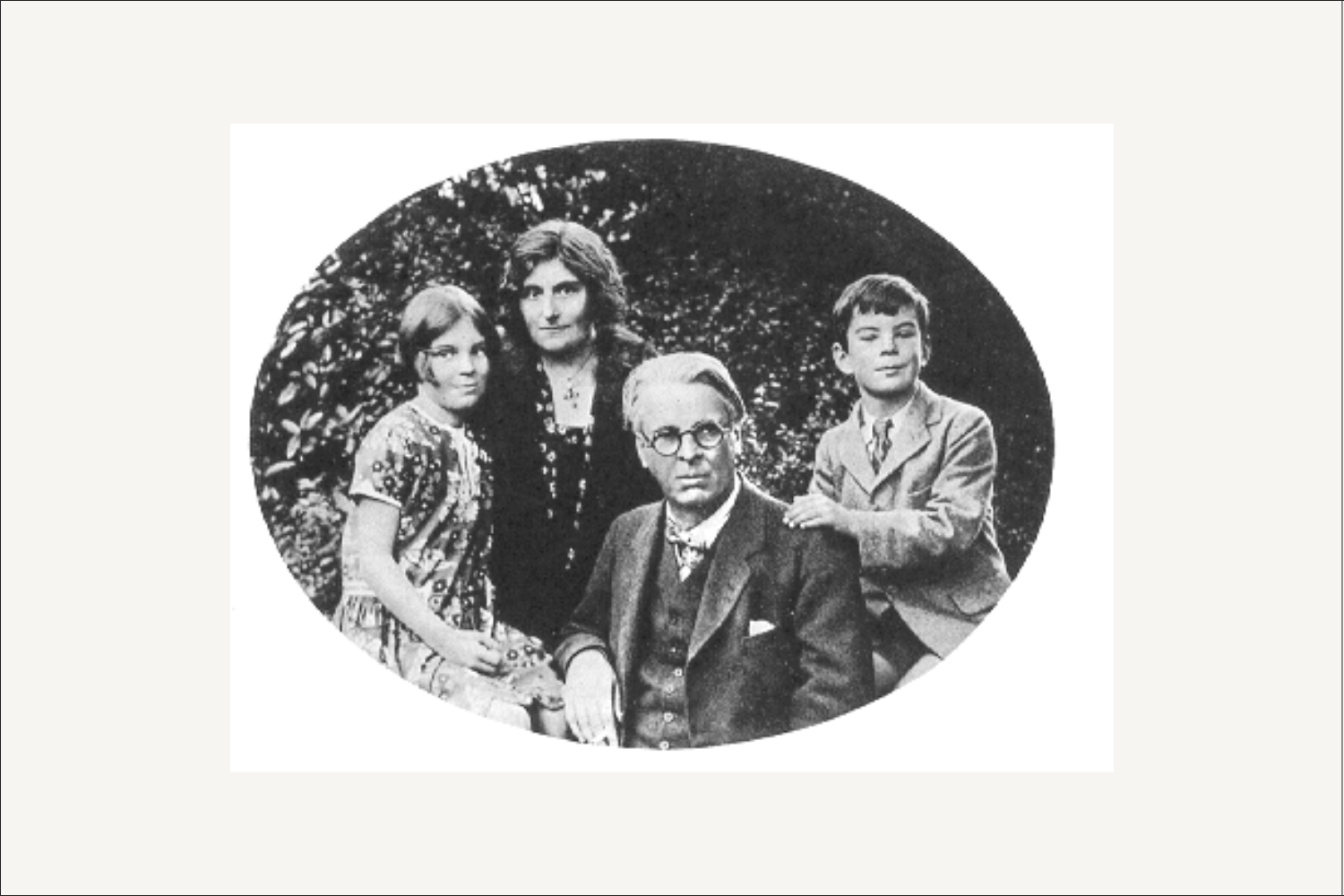
Yeats family portrait
Was she faking it?
Almost certainly she started out performing, but scholars think she fairly quickly entered into something she couldn't entirely explain herself. As time passed, the script became more legible, structured, and comprehensible, and this has caused many critics to wonder just how "automatic" the script really was. The answer seems to be: both. She was a highly intelligent woman working at the edge of her own unconscious, in genuine collaboration with her husband.
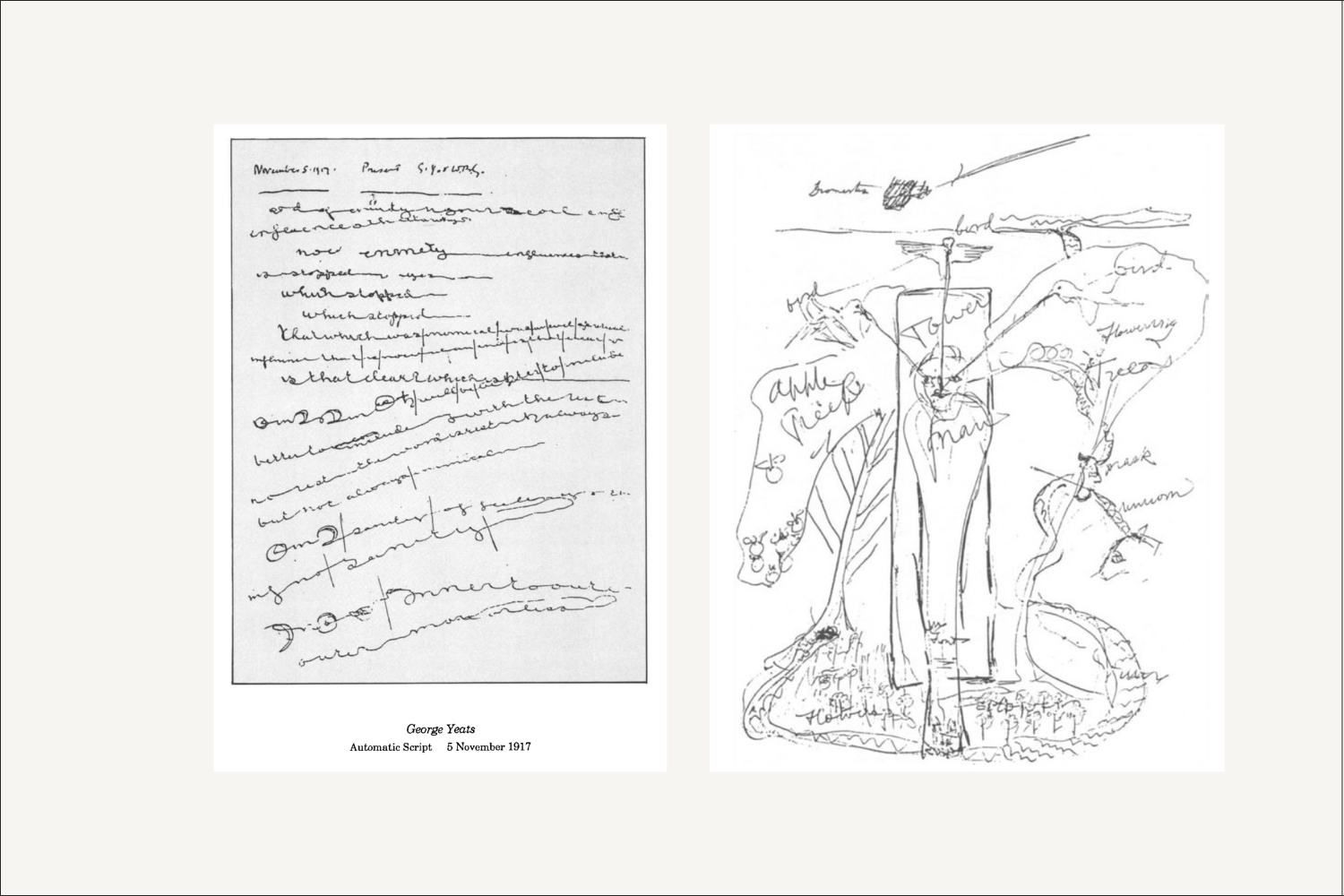
Notes from Georgie’s spirit guides.
In the end…
Georgie outlived Yeats by 30 years. After his death, she took up A Vision and edited it for immediate republication - correcting, shaping, controlling the legacy. She spent the rest of her life deciding who got access to his papers and who didn't. She bequeathed W.B. Yeats's manuscripts and papers to the Irish nation.
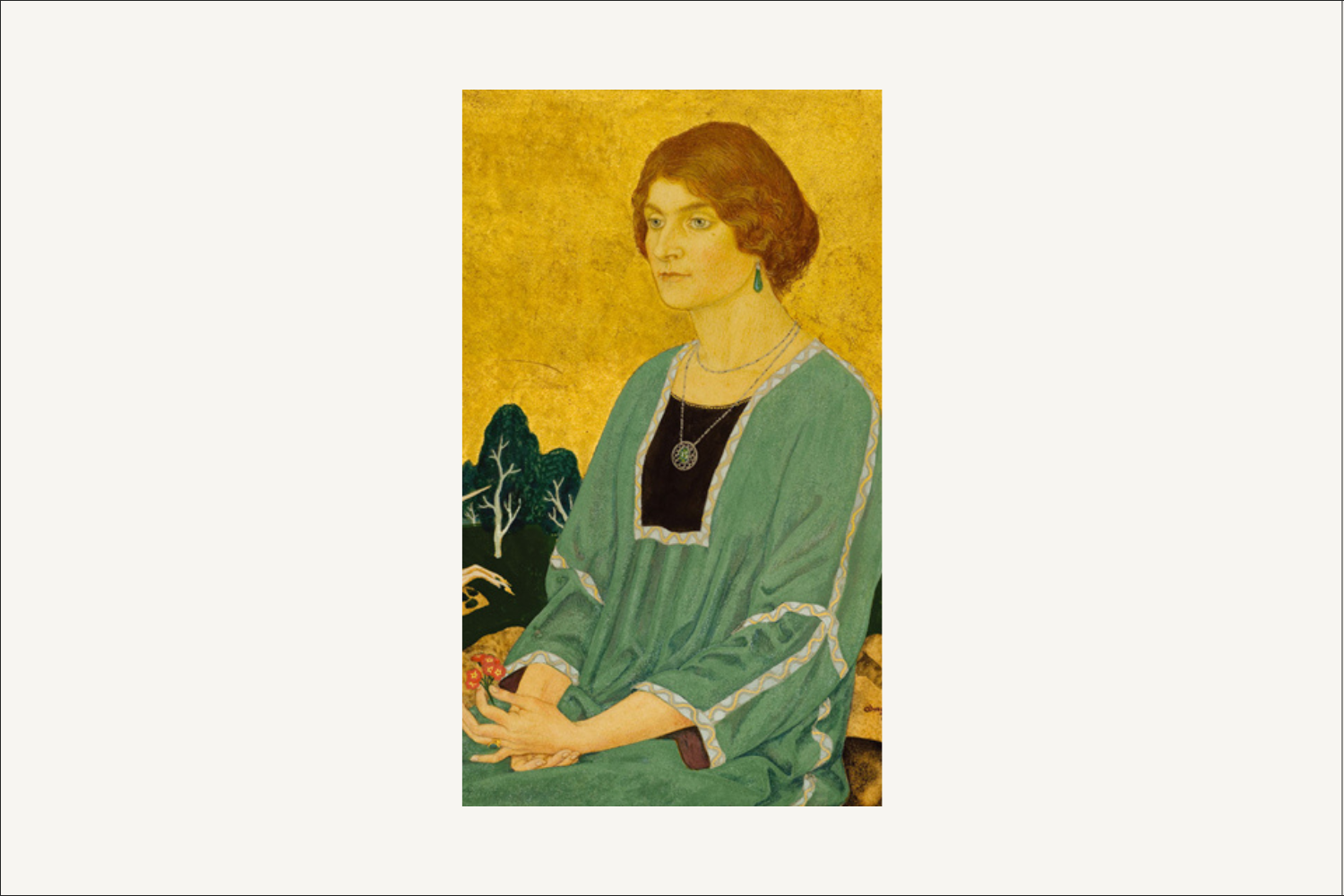
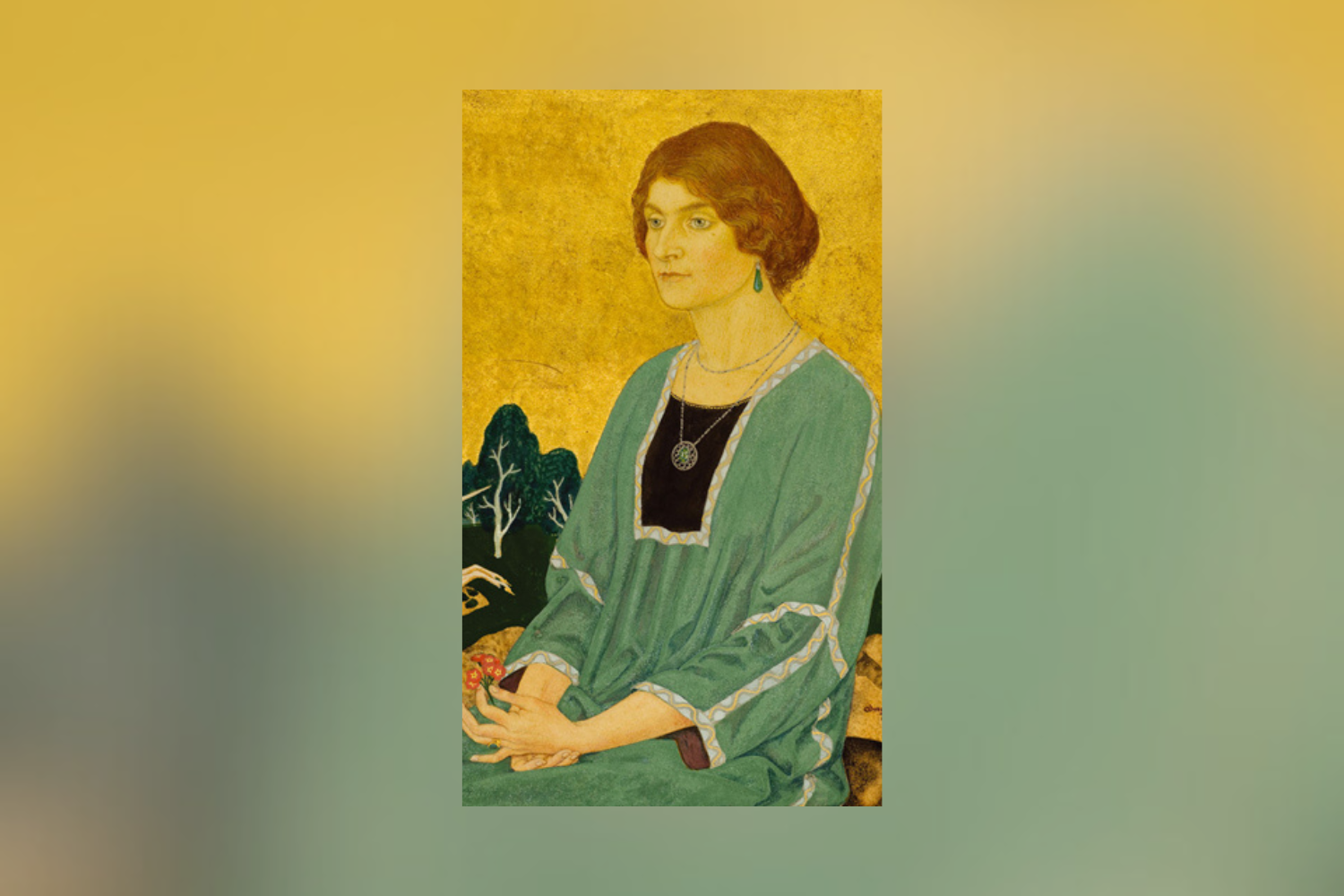
“Portrait of George Yeats” painted by William Rothenstein (1918)
What do I think?
I think this is a story about a woman who gave her creative gifts to a man and called it channelling. Whether she believed it or not, she clearly had extraordinary imaginative and intuitive powers - and the only way she could express them, in that marriage, in that era, was as a medium. The spirits were her.
Or at least, of her.
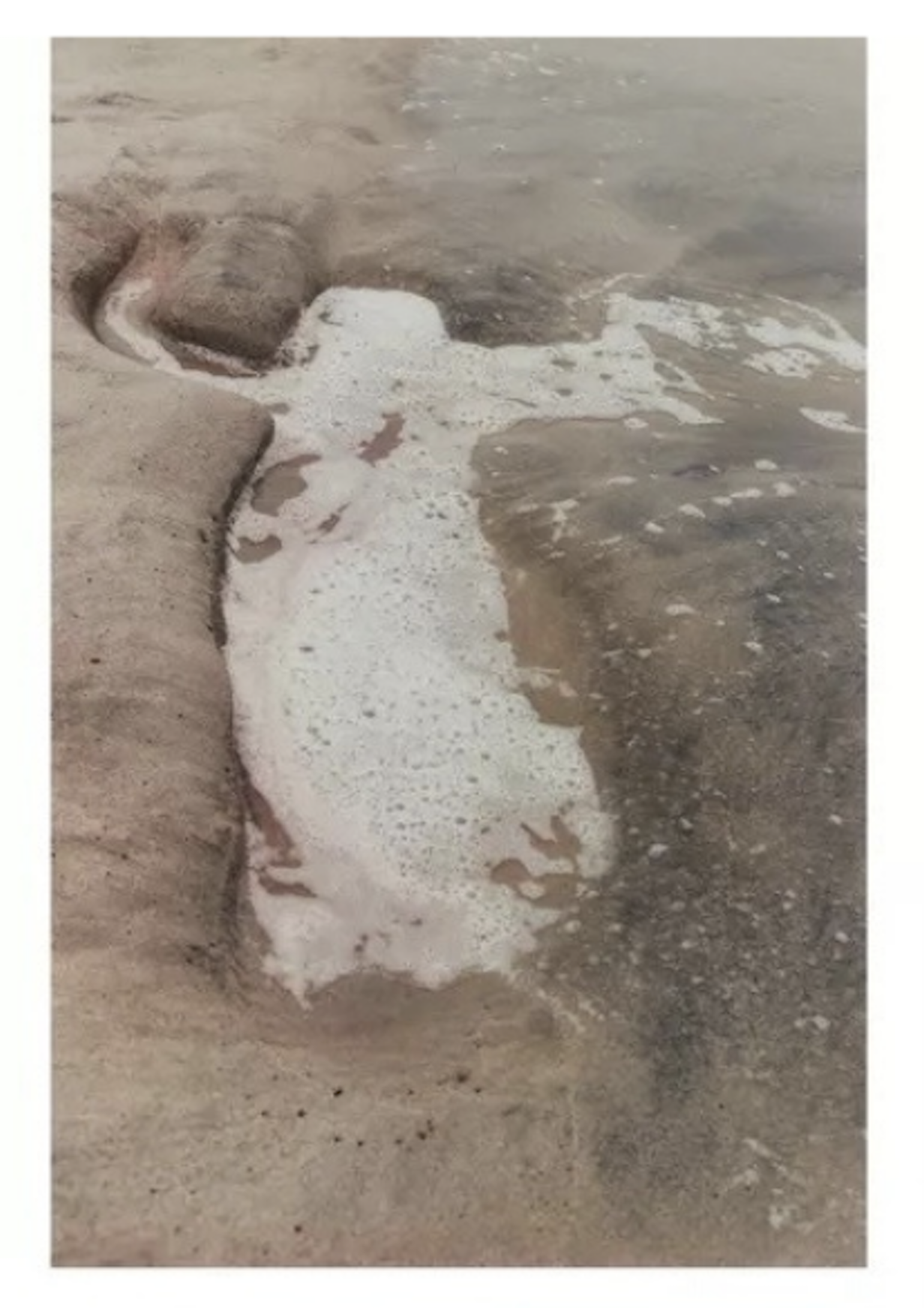
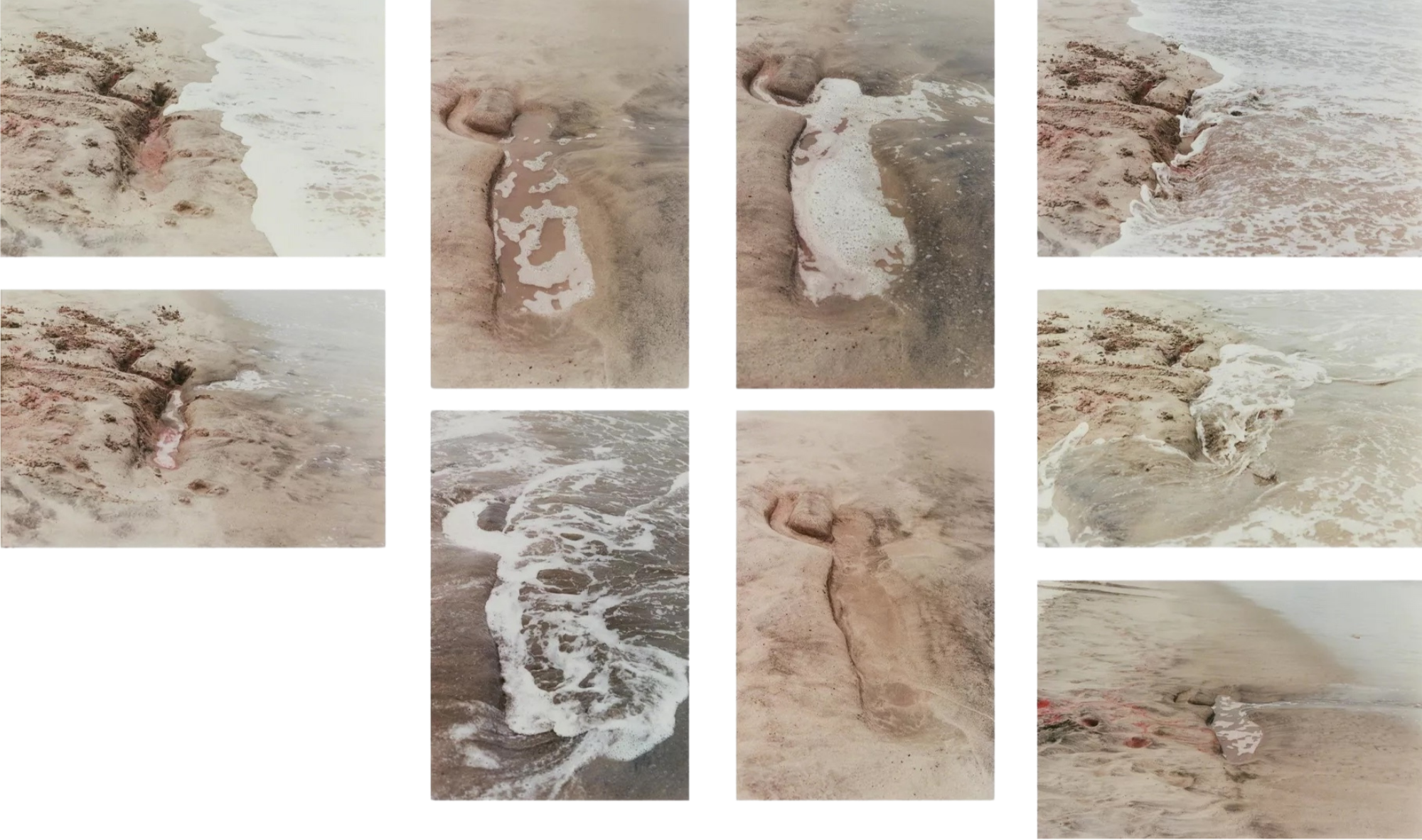
Grief Astronomer by Andrea Gibson
A difficult life is not less
worth living than a gentle one.
Joy is simply easier to carry
than sorrow. And your heart
could lift a city from how long
you’ve spent holding what’s been
nearly impossible to hold
This world needs those
who know how to do that.
Those who can find a tunnel
that has no light at the end of it
and hold it up like a telescope
to know the darkness
also contains truths that could
bring the light into its knees.
Grief astronomer, adjust the lens,
Look close, tell us what you see.
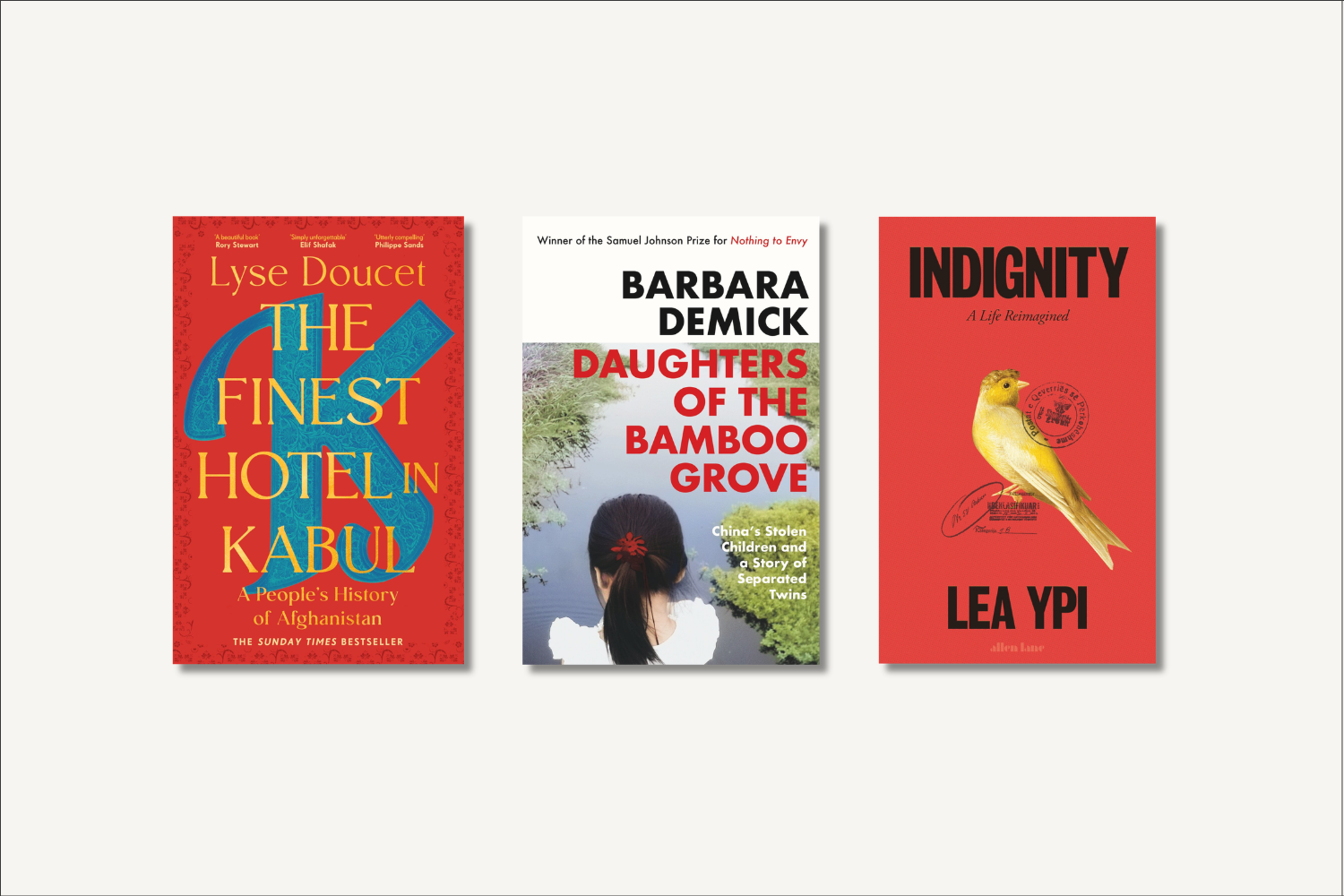
Women's Prize Nonfiction Longlist 2026: Three Books I'm Watching
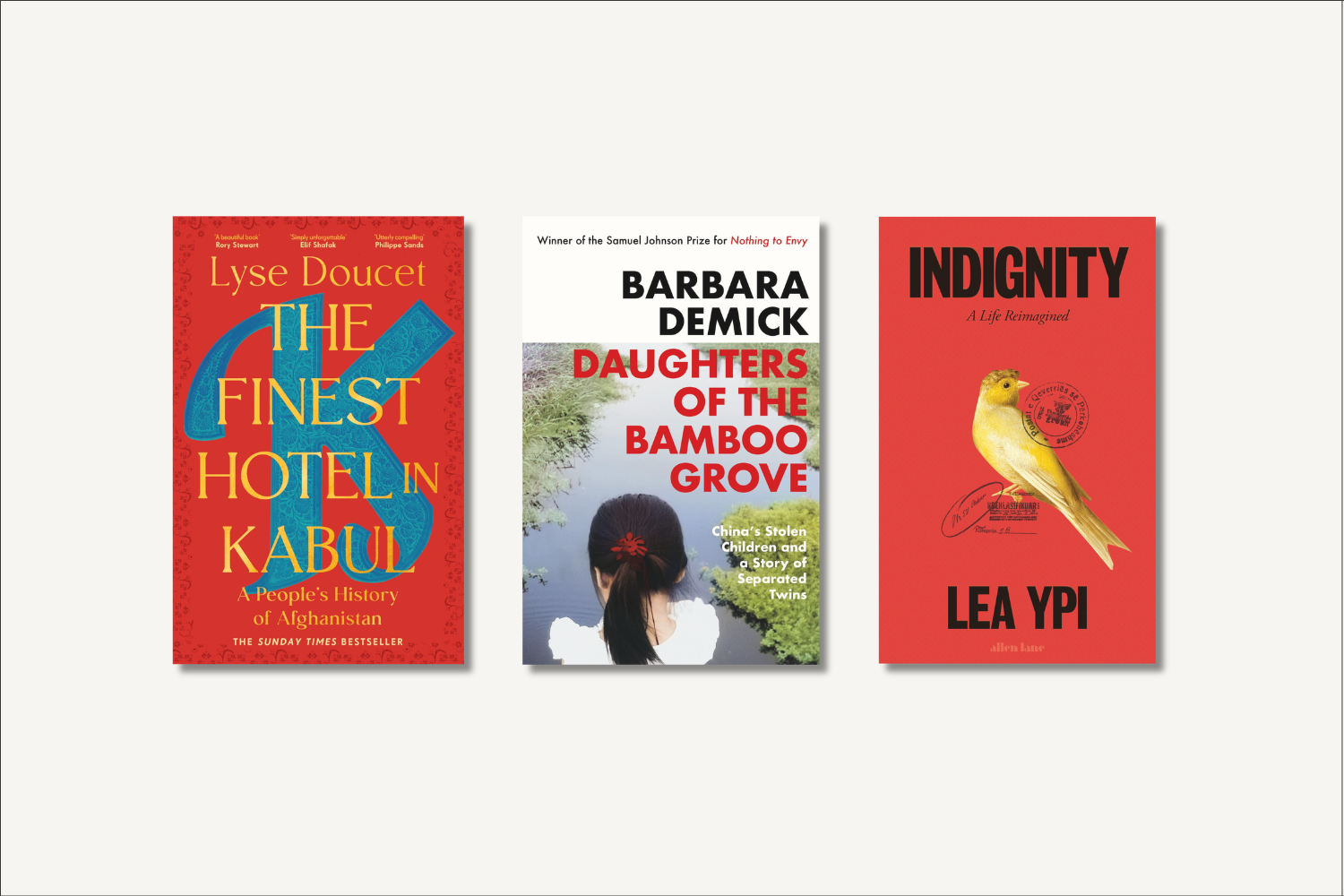
I love the Women's Prize. I attend their summer events, I've been a patron, and I try to read the shortlists for both fiction and nonfiction.
They just announced their Longlist for Nonfiction, which is a relatively new category for them. I’ve got my eye on these three :
The Finest Hotel in Kabul by Lyse Doucet - if you don’t know her by name, you’d know her voice and face. Along with Christiane Amanpour, Doucet is one of the world's most prominent and respected international correspondents. I met her at a party once and we discussed cheese.
Daughters of the Bamboo Grove by Barbara Demick - another book from another foreign correspondent. It’s almost like we need independent journalism to shed light on stories around the world. Who would’ve thought?
Indignity by Lea Ypi - I enjoyed Ypi’s first book, Free (a memoir of coming of age amid political upheaval in Albania), so I’m willing to give her second book a try.
You can find the entire longlist - and learn more about the Women’s Prize - here.
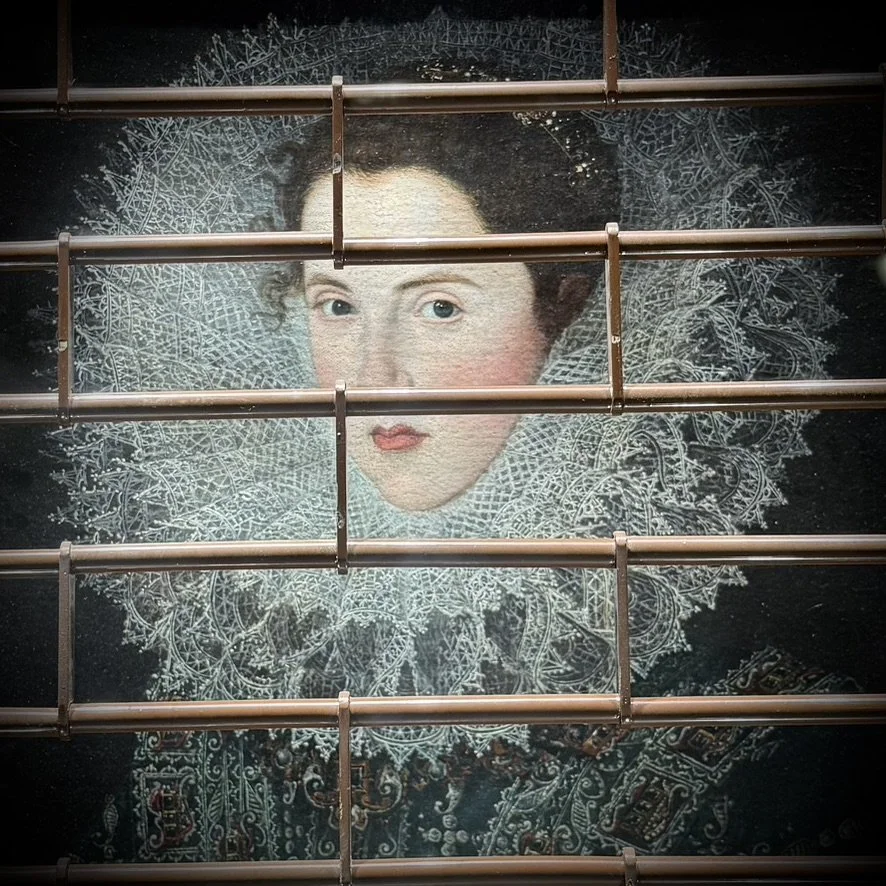
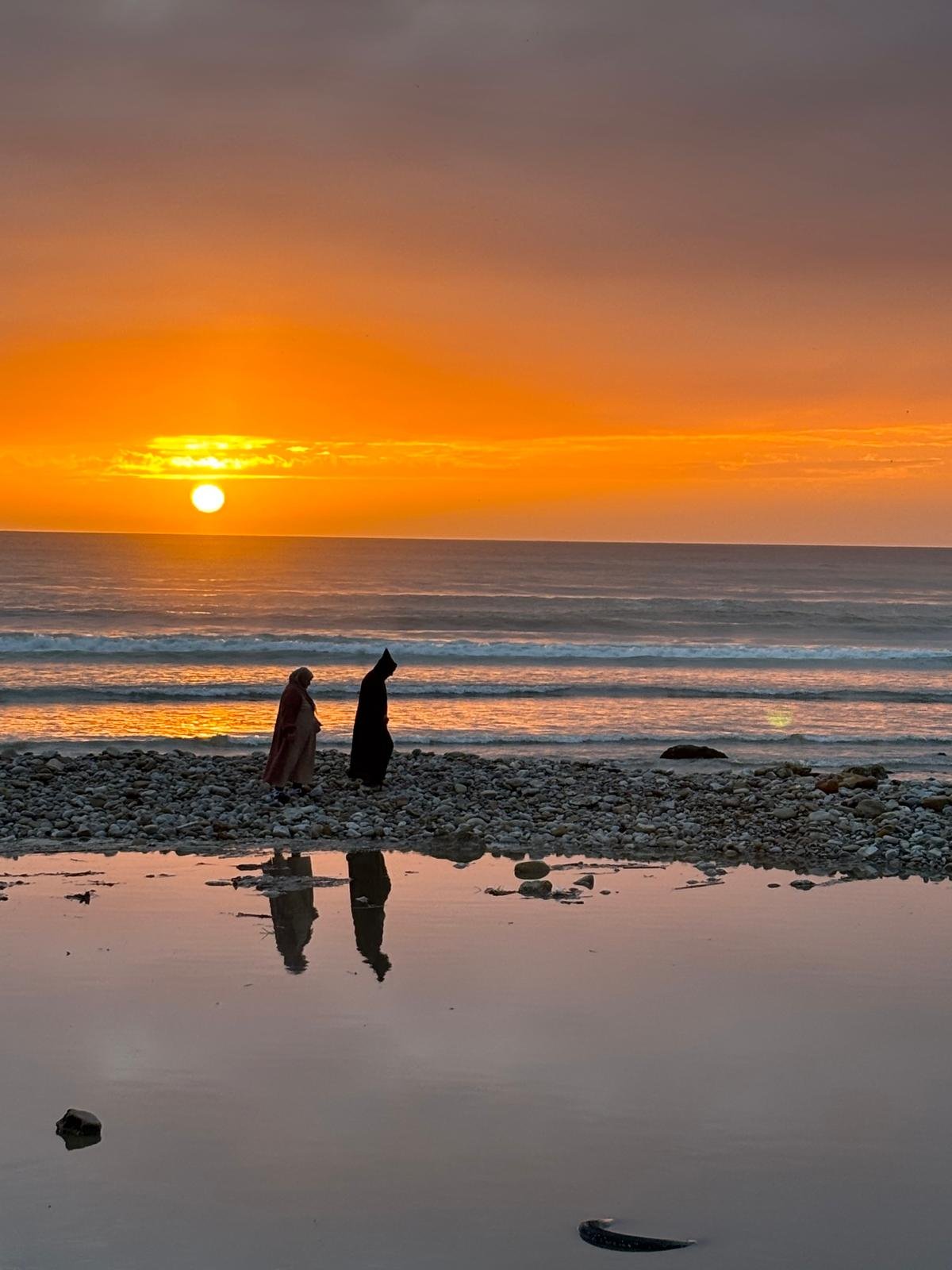
Agadir, Morocco: Notes from Yoga Teacher Training
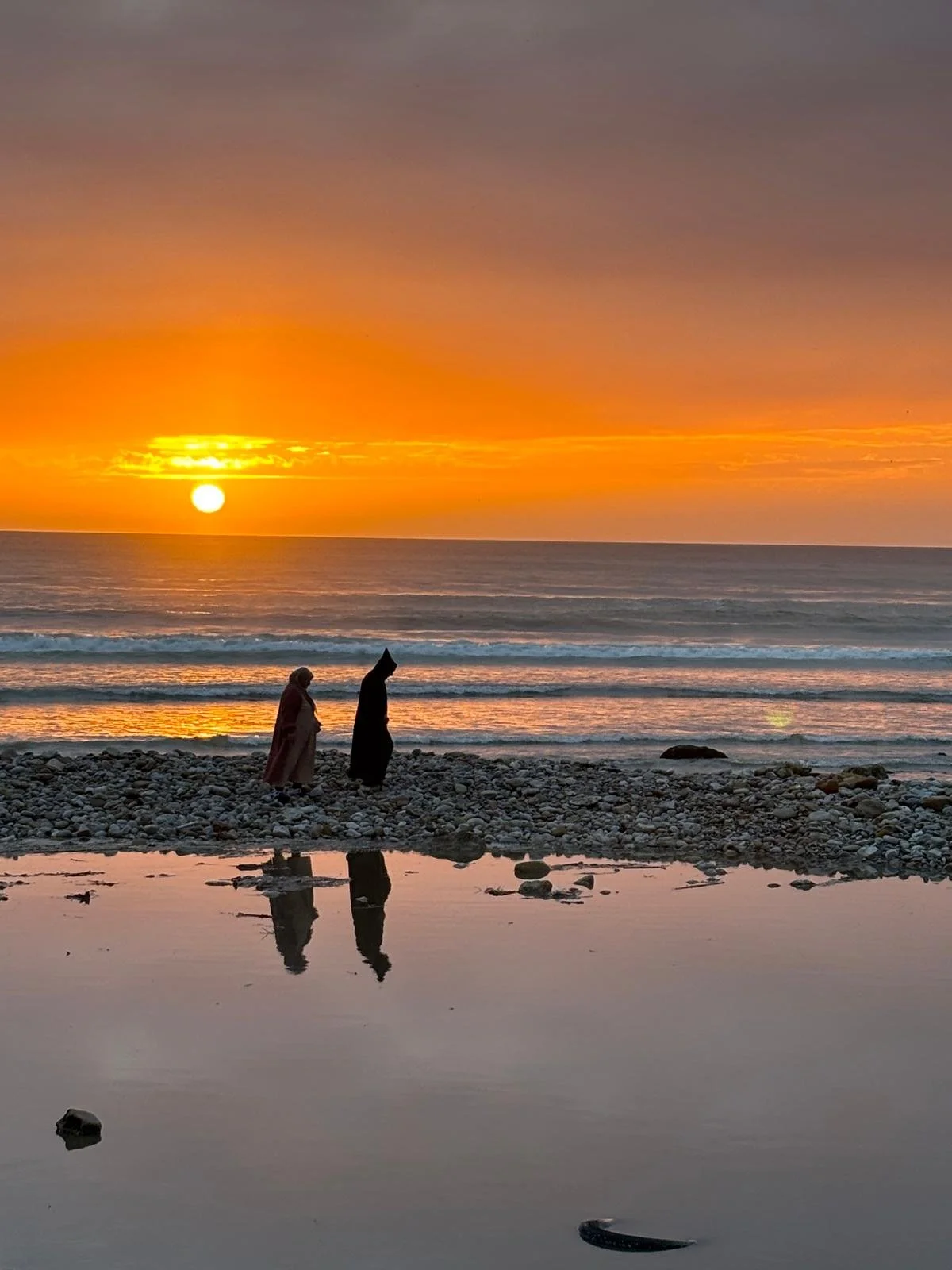
I went to Agadir and all I got was food poisoning. I didn’t even take this picture. (Thanks Caroline Gautier.)
Hello friends,
In my last post, I went on and on about how excited I was to go to Morocco for my Intensive Yoga Teacher Training. Well, I’m back!
And… it was a total disaster! I had three good days of yoga training - followed by four days of food poisoning.
It was beyond awful.
Still recovering.
xo, L
Cartography for Beginners
by Emily Hasler (an excerpt) -
Take a little license with rivers, especially their curves and estuaries. Add an oxbow lake if at all possible. If the area you are mapping has no seas/lakes/rivers/streams, I have to question why you are bothering.
Ingrid Goff-Maidoff
God spoke today in flowers,
and I, who was waiting on words,
almost missed the conversation.
I who have never known men - Jacqueline Harpmen
As long as the sheets of paper covered in my handwriting lie on this table, I can become a reality in someone’s mind.

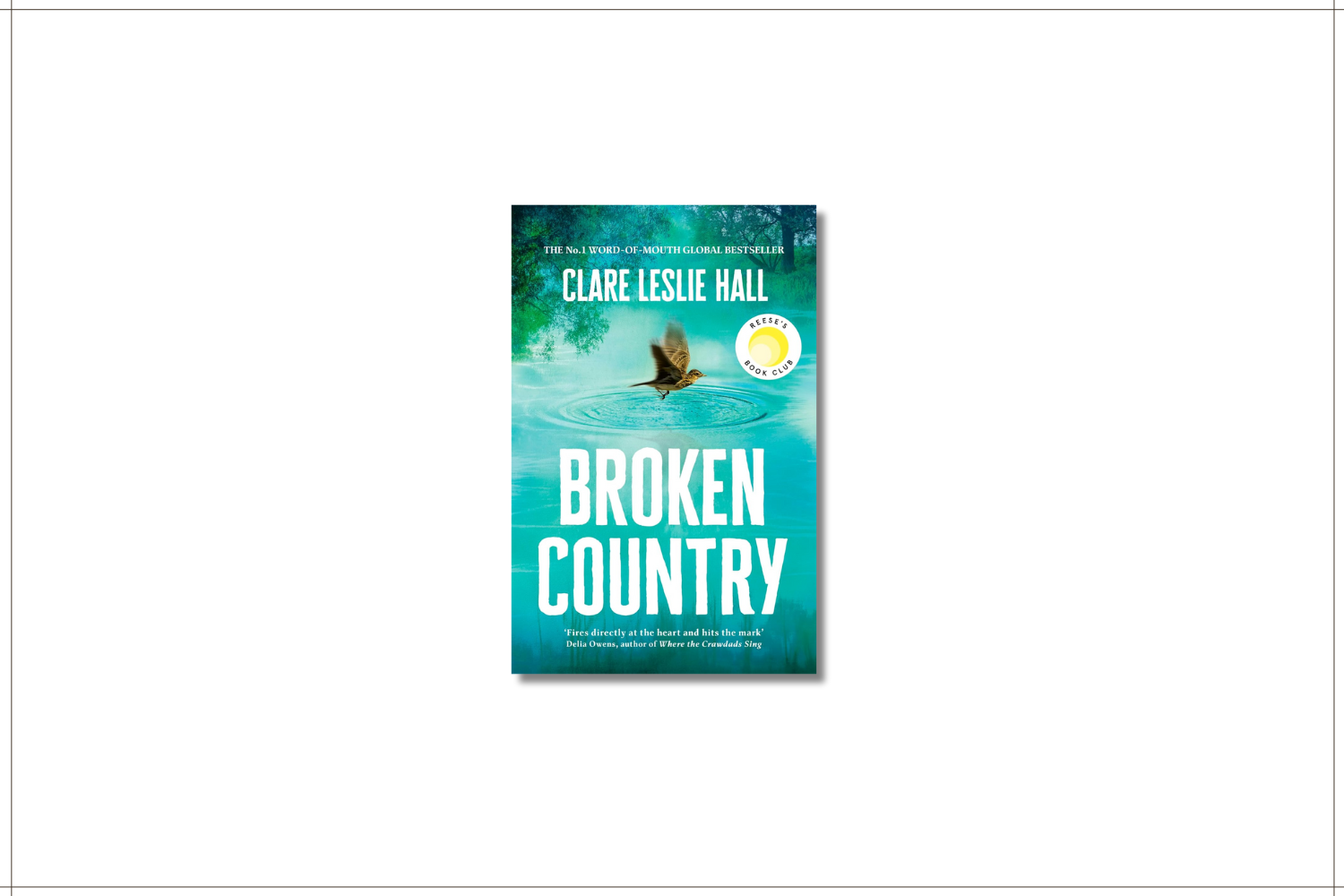
Broken Country by Clare Leslie Hall
With huge Book Club buzz and rave reviews, I really wanted to love this. While the pacing lagged and the characters didn’t fully land for me, its devoted fanbase suggests it may hit differently for you.
Despite the Reece's Book Club buzz, I found this to be just meh.
I picked it up because it’s described as having the pace of a thriller and the emotional depth of a romance…. But I think the thriller description is a bit of a stretch. The plot/pacing doesn’t really pick up until the last 1/4 of the book.
And as far as the emotional depth of the romance? I didn’t really connect with the main character and found her husband to be one-dimensional.
But hey! Over 200K people have given it 5 stars! So you might love it. You do you.
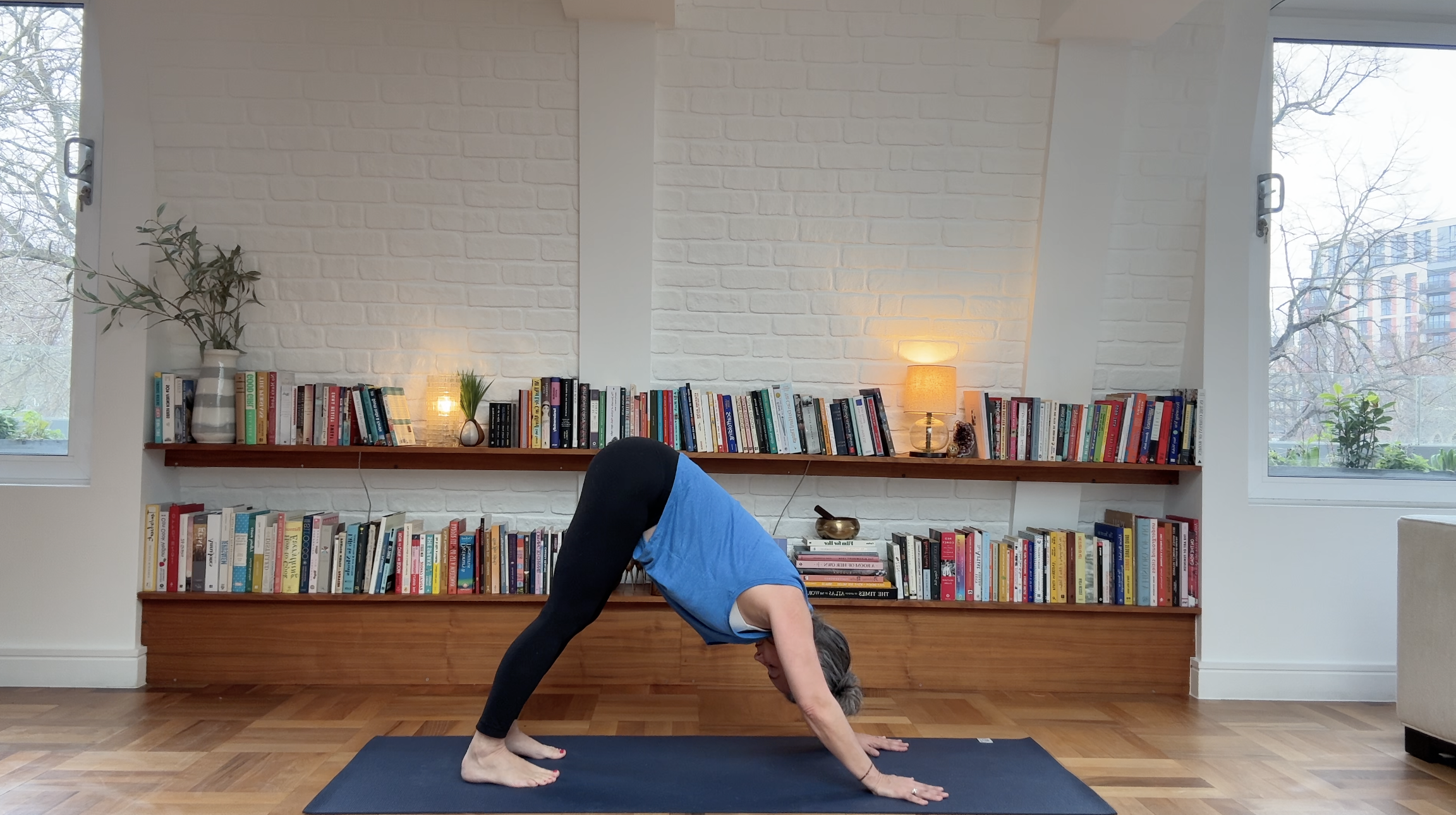
Learning to Speak Yoga: Cueing, Transitions and Finding my Yoga Voice
I know what good yoga teaching sounds like—I just can’t do it yet. From cueing chaos to awkward transitions and the search for my own yoga voice, this post is about learning to teach while still very much learning.
Just a few sun salutations. xo
🙊 Cueing
Cueing is the language used to tell your students what to do. i.e. Step to the top of your mat. That sounds easy enough, right? Now try cueing a beginning level yoga student through a chaturanga sequence. You have one breath per movement - GO!
It’s so hard!!! If time stood still between poses, I could teach a halfway decent 90 minute class tomorrow. But to teach the postures at speed and with the breath? Let’s just say I’m on the struggle bus.
To make it even more overwhelming, there are also different types of cues:
Directional cues – where to move - “Step your right foot forward between your hands.”
Action cues – how the body organizes - “Press through the back heel.”
Breath cues – pacing and rhythm -“Inhale to lengthen the spine.”
Energetic cues – felt sense or imagery - “Imagine lifting up and out of the waist.”
Awareness cues – attention and presence -“Notice the weight of your feet on the mat.”
Obviously teachers can’t use all of these cues all of the time. We have to choose the one or two that matter most in the moment, depending on the student. This is what I’m working on:
Giving clear, simple directions (Less than 5 words)
NOT narrating every tiny action
NOT filling every second of silence with chatter.
🙈 Transitions
Transitions are how we get from one posture to another. In other words - good transitions are mostly good cueing.
As a beginning yoga teacher, this is especially hard because I’m still learning the sequence myself. But to keep the class moving, I need to anticipate what’s coming next, and speak it clearly without over-explaining.
⏰ Experience
I recognise that all this comes with time and experience. But it’s so frustrating because I know what good looks like, i just can’t do it yet. I did a classroom observation this weekend and noticed every single thing the teacher did “wrong” - but there is no way I could’ve done better.
It reminded me of Ira Glass talking about The Gap—that space where your taste is far more developed than your ability.
☺️ Finding my yoga voice
I don’t want to “sound like a yoga teacher.” I want to sound like myself, but slower, calmer and filtered for clarity.
Anne Lamott suggests that you find your writer voice by removing fear and limitation. I think the same must go for finding your yoga voice. You don’t find it or create it — so much as shed everything that isn’t it. That takes time, trial and error.
I don’t want to perform calm. I want to be present and relaxed. I don’t want to sound smart, I want to be comfortable in my skills and experience. Which I guess will only come with time and experience…
Do you want to be one of my first students? Email me for a free 30-minute session!
LaurieMucha@gmail.com
Arundhati Roy - Mother Mary Comes to Me
I sold a ring, the only piece of jewellery I owned to a man at a fruit juice stall. He gave me a few hundred rupees and a banana shake. Enough for my passage to Delhi.
—
I think I had a cool seraphy watching over me. Especially each time I was at a crossroads and had to make a decision. My education, the class I came from, and, above all, the fact that I spoke English protected me and gave me options that millions of others did not have.
—
It was not any great strength of character or steely artistic ambition that saved me from prison or serious harm. It was just happenstance, and a series of small impulsive decisions, taken on the fly.
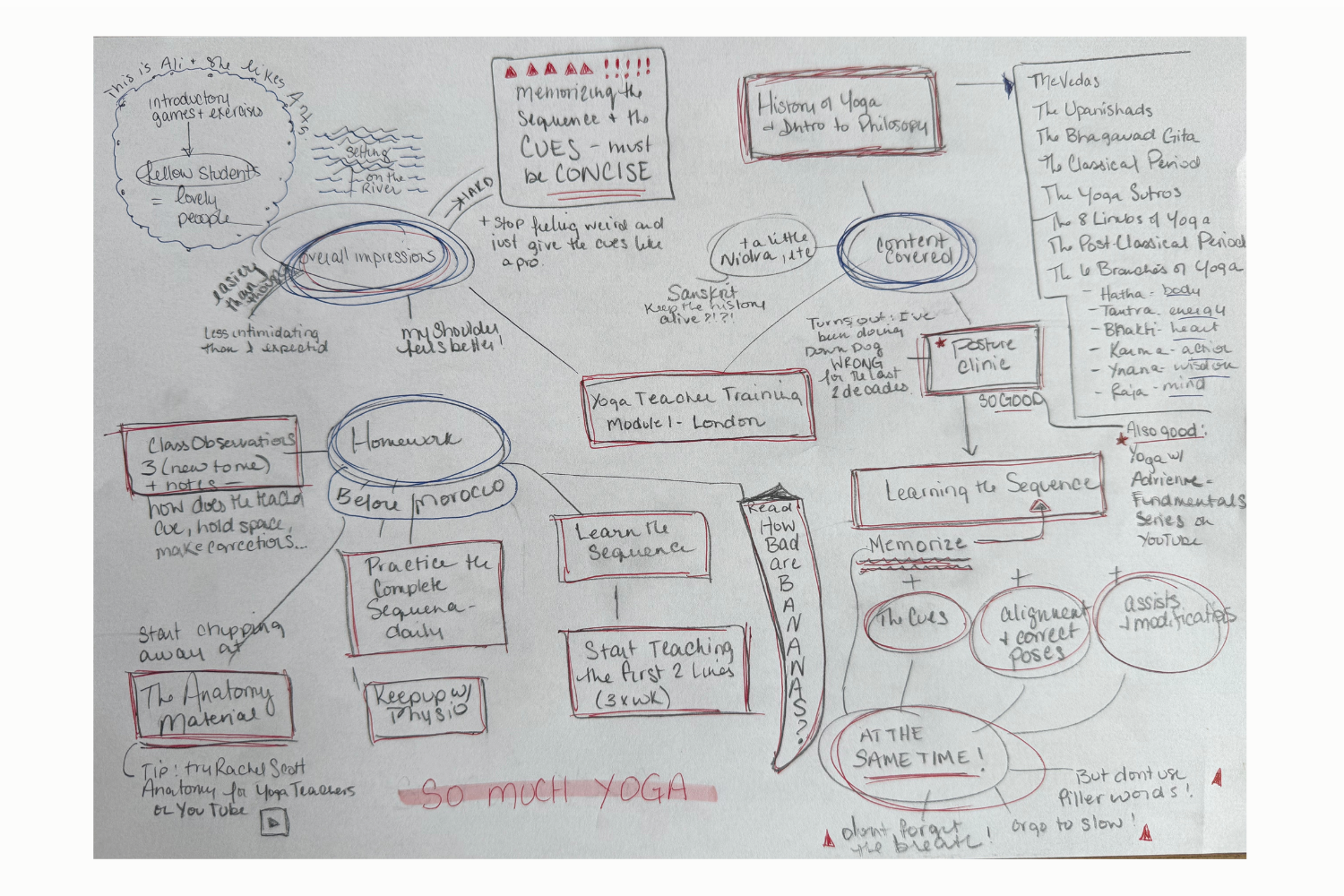
Notes from Yoga Teacher Training, Weekend 1
Exhilarated, exhausted, and learning fast—Weekend 1 of yoga teacher training covered posture, cueing, history, and a surprising amount of homework. Here’s a recap.
I just finished my first weekend at yoga teacher training! I’m equal parts exhilarated and exhausted. In some ways, the weekend was easier than I anticipated. My fellow students are super nice and I wasn’t nearly as intimidated as I thought I’d be.
But wow. Memorising a 90 minute sequence is one thing - but learning the cues, transitions, modifications and the adjustments… so hard! There’s just so much to remember and so little time to say it.
Here’s an overview of what we covered:
🧘🏼♀️Posture Clinic
This one of my favourite parts of the training, wherein you go through each and every pose and learn the fundamentals. Turns out I’ve been doing chaturanga wrong for a few decades and didn’t know it.
🗣️Teaching Practice
This is where the rubber hits the road! I’ve been doing yoga for decades, but verbalising the cures and transitions is an entirely different skill set. There’s just so much to communicate in such a short period of time. Our teacher got us teaching each other on day one, so hopefully by the end of the course, this will be comfortable.
📖 History of Yoga
We also spent some time diving into the History of Yoga, which was interesting, but mostly big pile of words that meant nothing to me until I went home, did the reading and then summarised the material in my journal. (That’s just how I learn.)
📝 Homework
Before I leave for the Morocco intensive (in two weeks time) I have a lot of homework:
3 (new-to-me) yoga class observations
Learn the YTT sequence
Practice teaching the first few lines of the sequence
Stat chipping away at the Anatomy material
Read and do a book report on How Bad are Bananas?
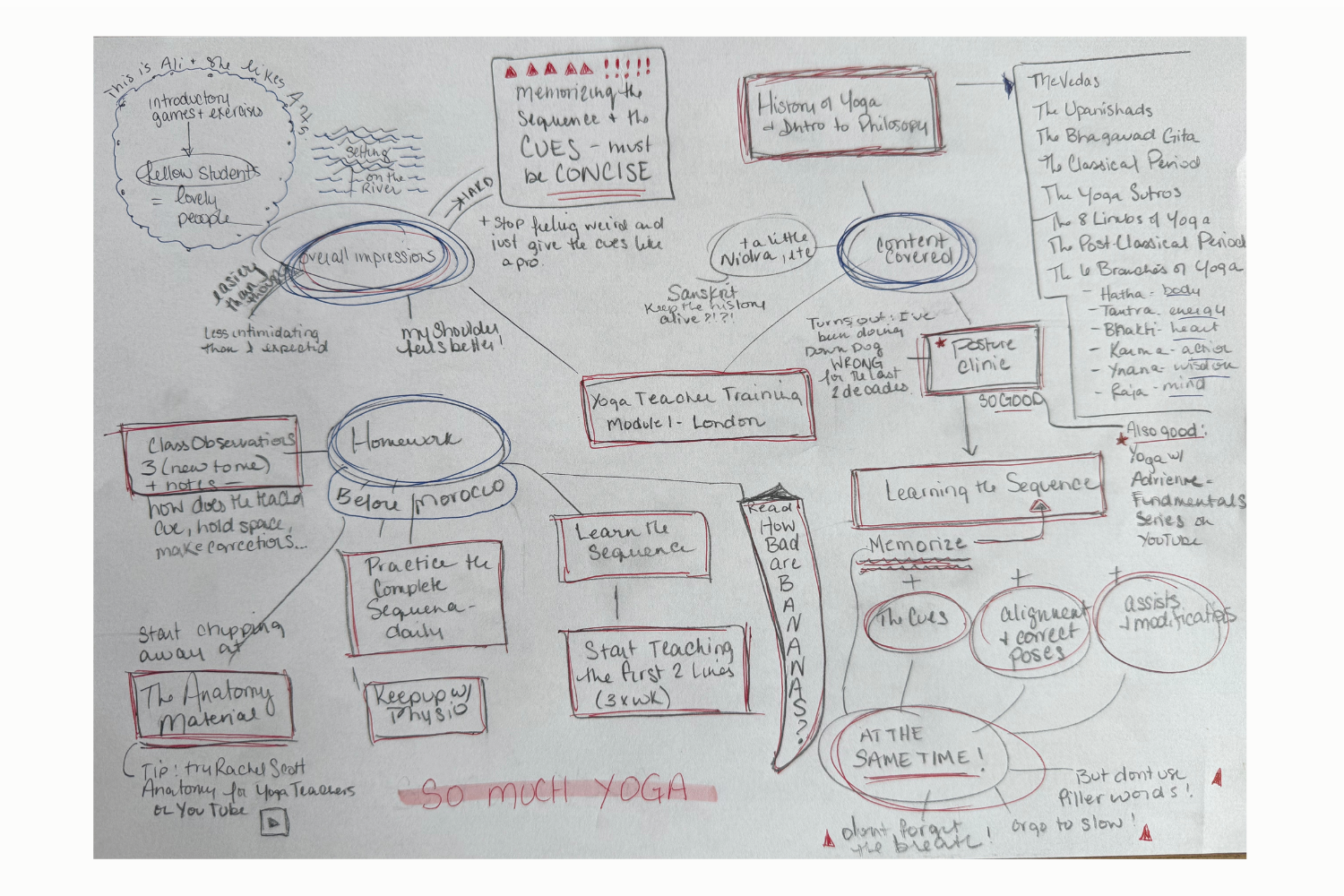
Yoga Teacher Training, Weekend 1 - mind map


The Book of Alchemy by Saleika Jaouad
If you like the idea of journaling but don’t know where to start, this book is a gentle companion. With short, thoughtful essays and optional prompts, it offers inspiration without rules or pressure.
A thoughtful, inviting book for anyone who journals—or wants to, but doesn’t know where to start.
Organized around themes like fear, love, and memory, it gathers short, honest reflections from over 100 voices, reminding us we don’t have to be “real writers” to write.
The essays are the real gift here—thought-provoking and grounding—while the prompts are there if you want them (and easy to skip if you don’t).
If you’re a writer or artist - you’ll love this book!
“Letting my hand catch up with my intuition has yielded some of the most unexpected insights.”
A joke from the old country
A joke from the old country:
Two men are sitting at a bar. The first asks, "Where are you from?"
"I was born in the Austro-Hungarian Empire," says the second, "educated in Czechoslovakia, started my working life in Hungary, did a stint in Nazi Germany, then got married, had kids and raised my family in the Soviet Union."
The first man shakes his head. "You must have travelled a great deal."
"In fact," says the second. "I never left my village."