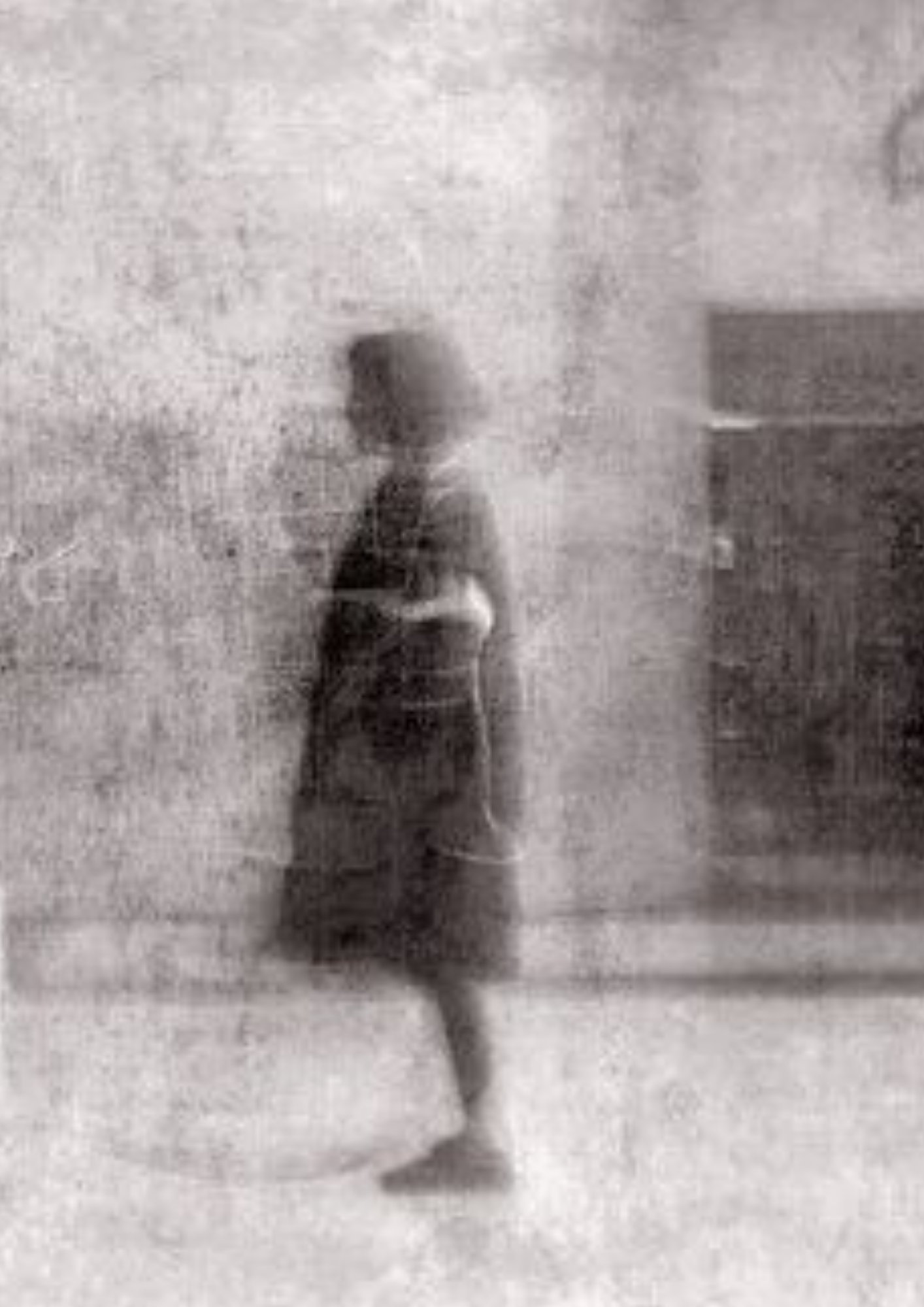
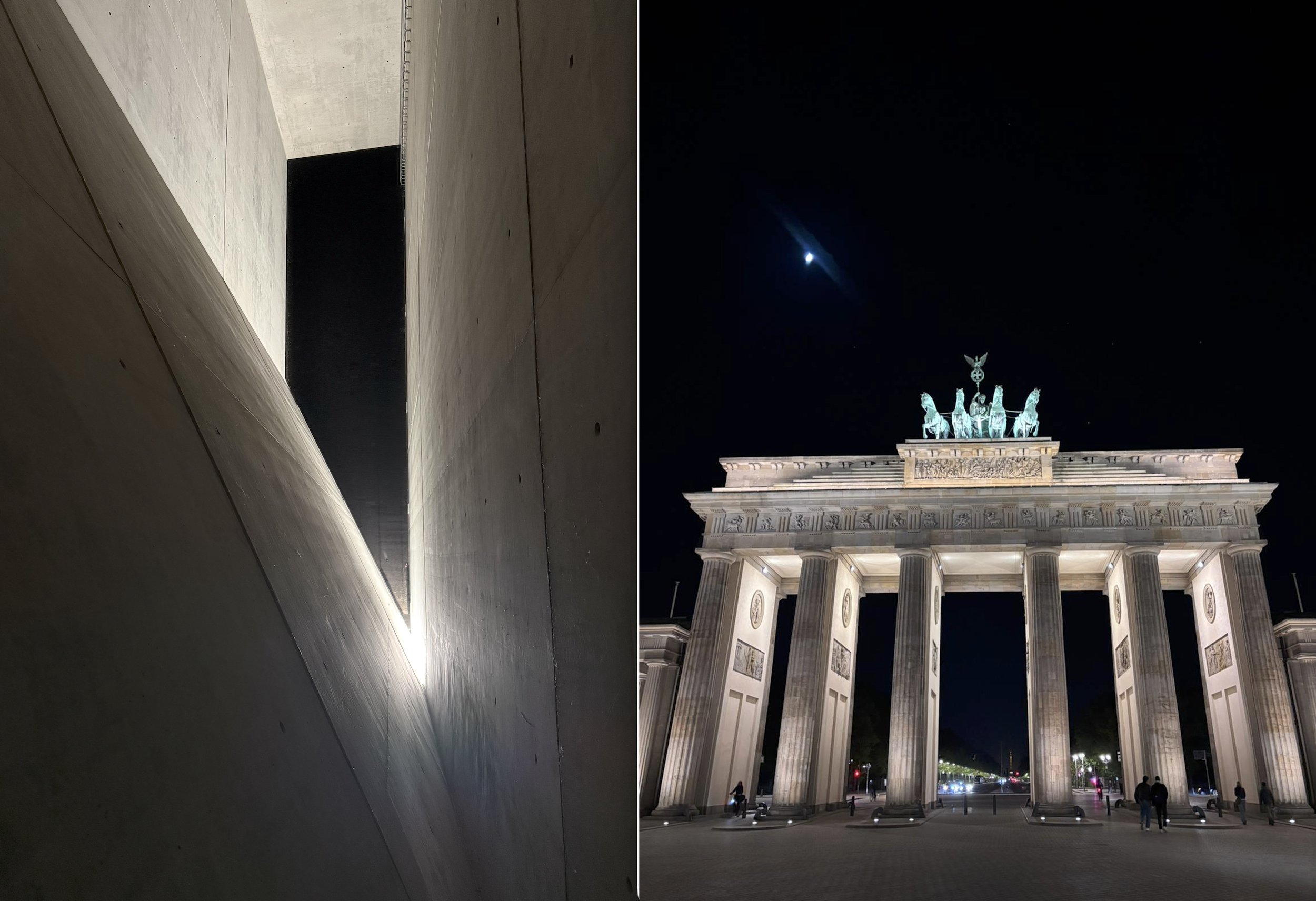
Je ne savais plus quoi dire
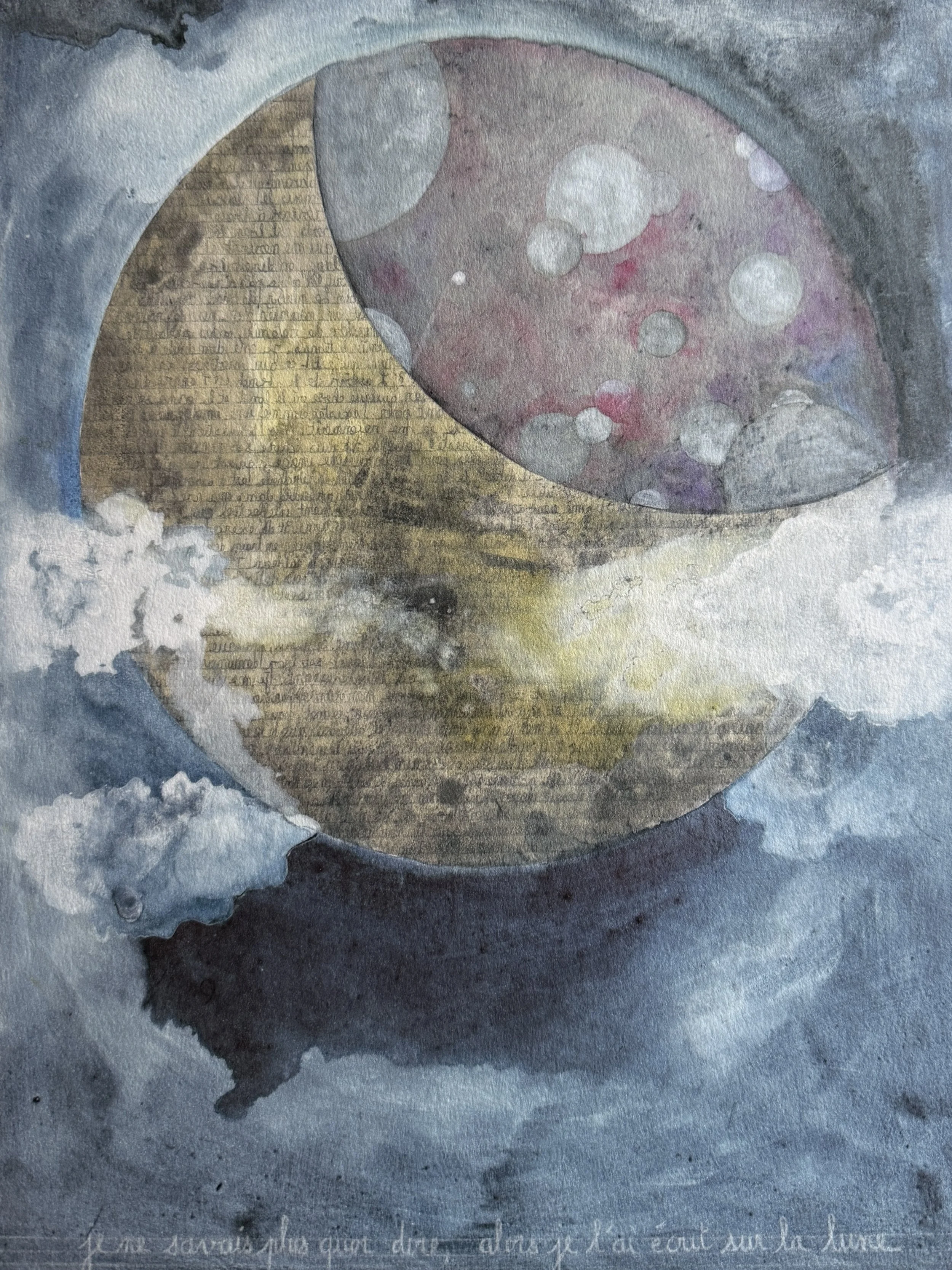
Je ne savais plus quoi dire, alors je l’ai écrit sur la lune. - Julien Collieux
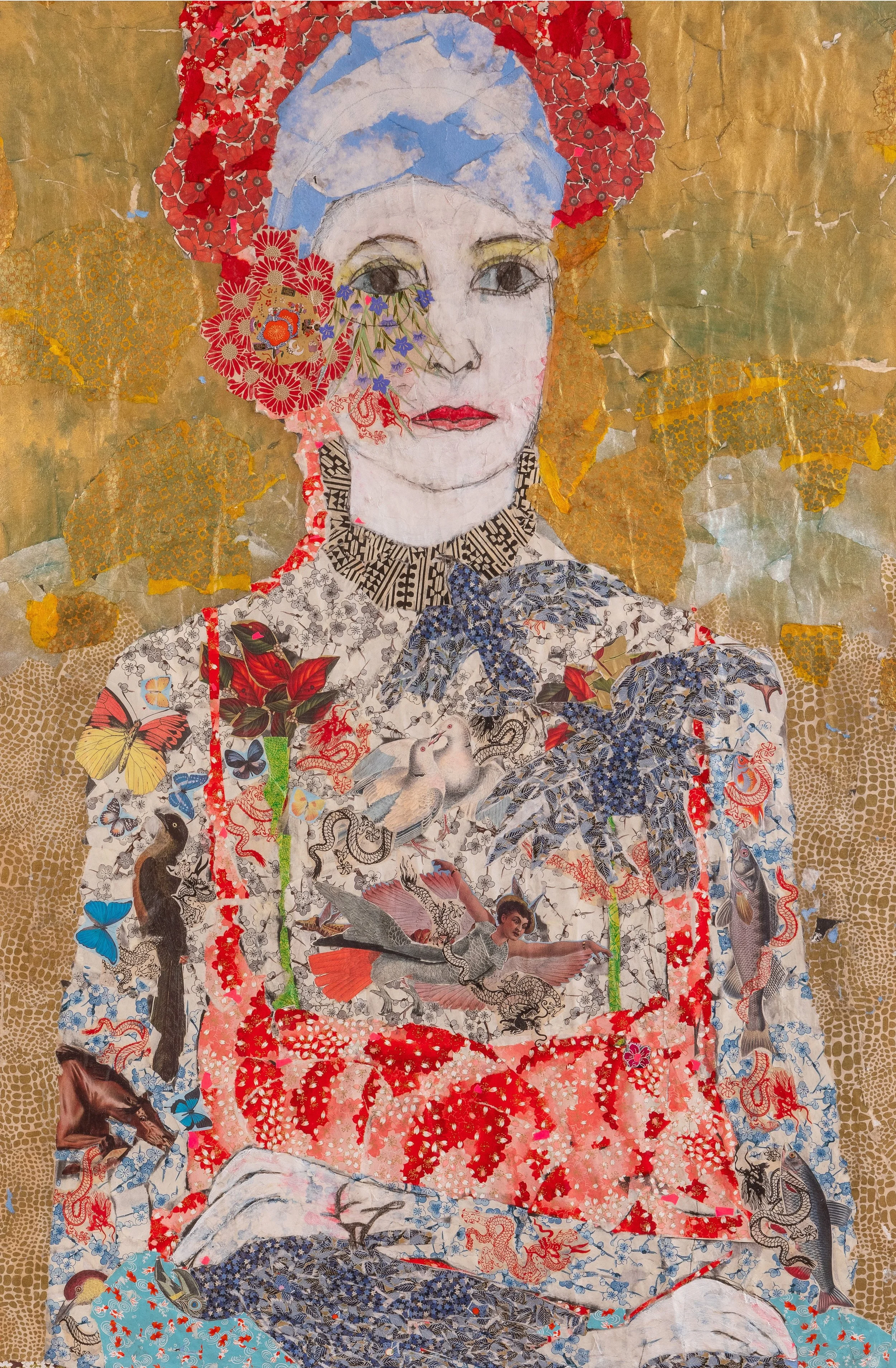
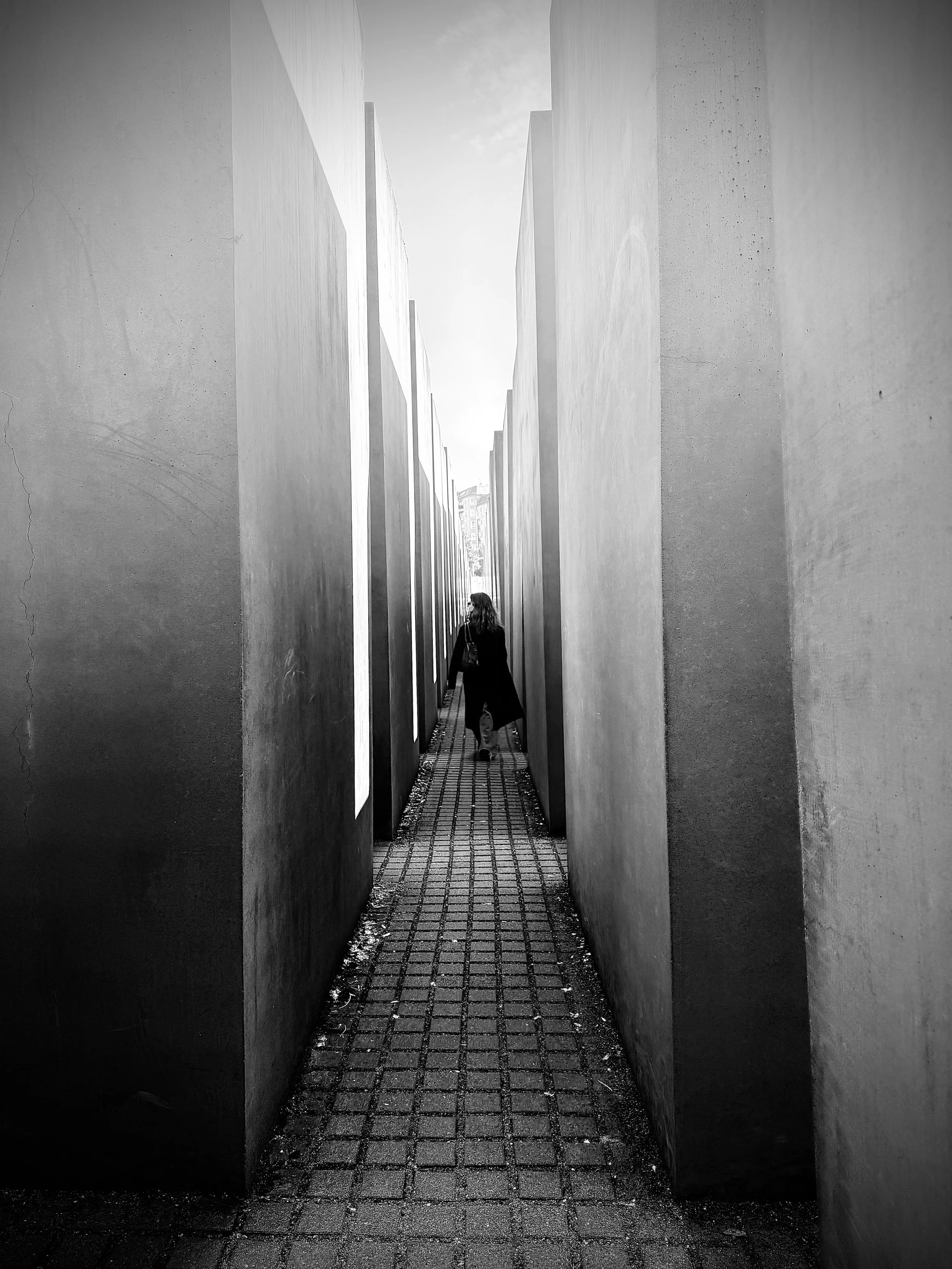

What to do today?
How we spend our days, is of course, how we spend our lives. - Annie Dillard
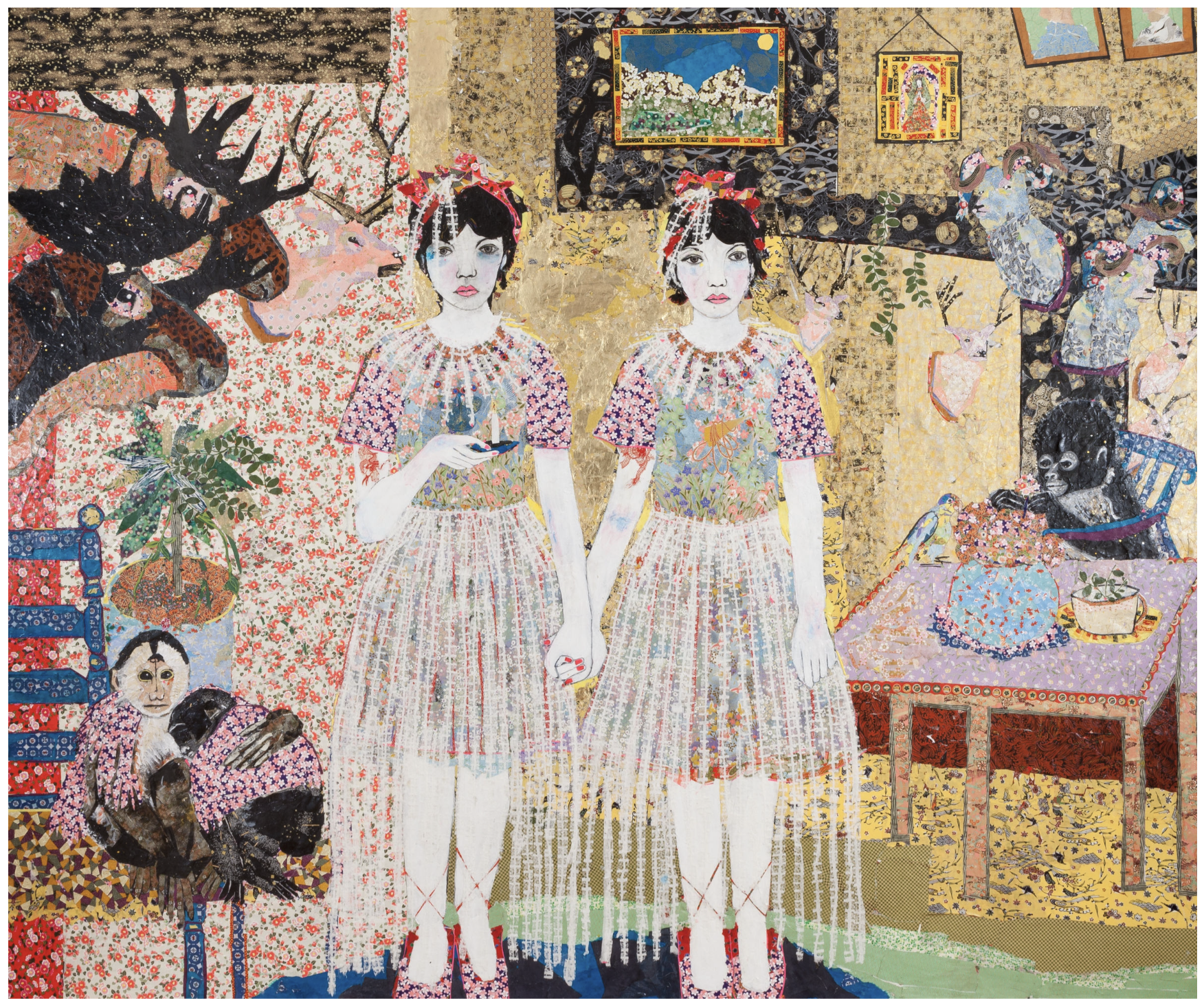
Wisdom is knowledge embodied.
Knowledge can be read in a book or transferred from one person to another. Wisdom is knowledge earned through experience.
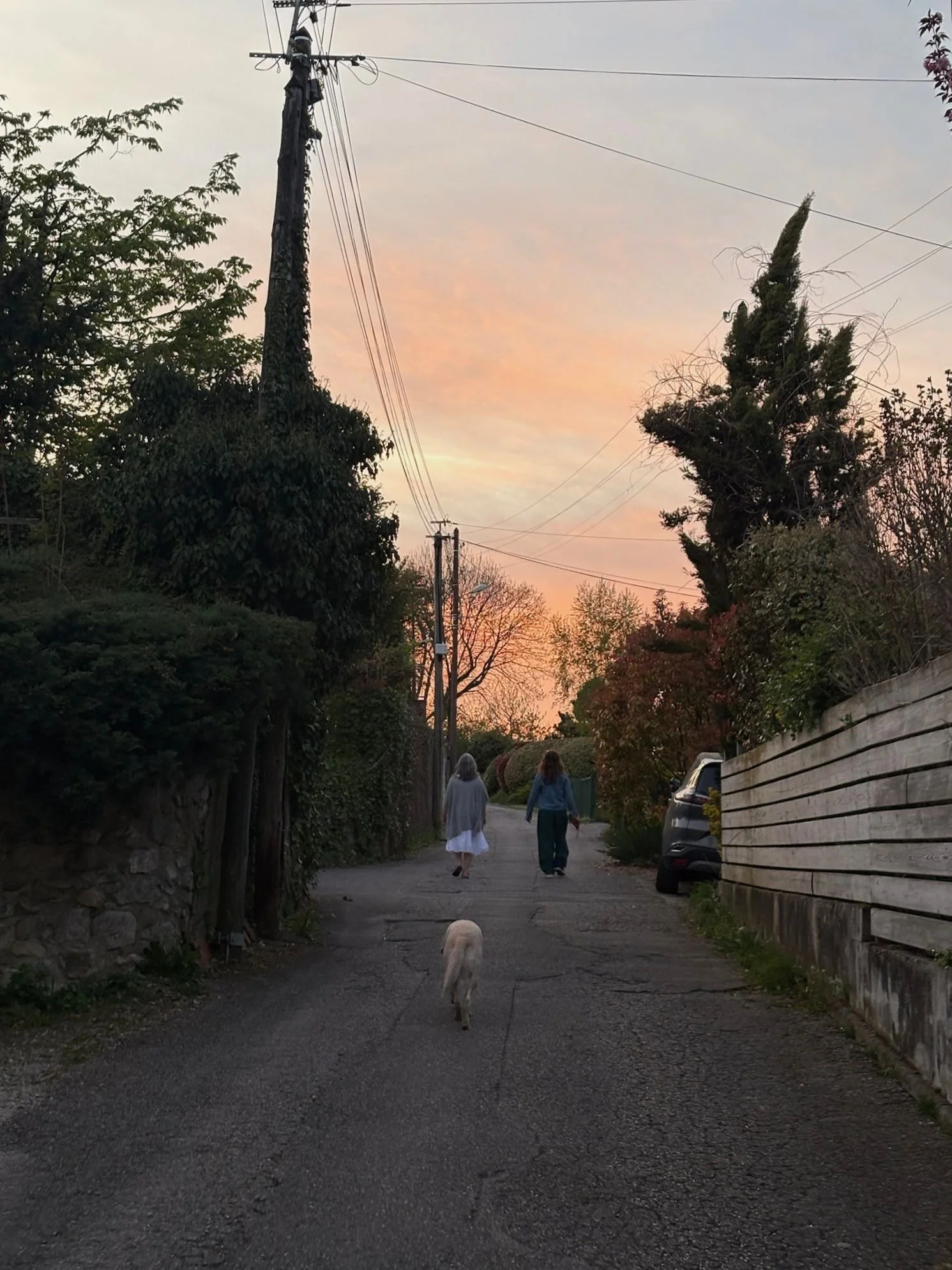
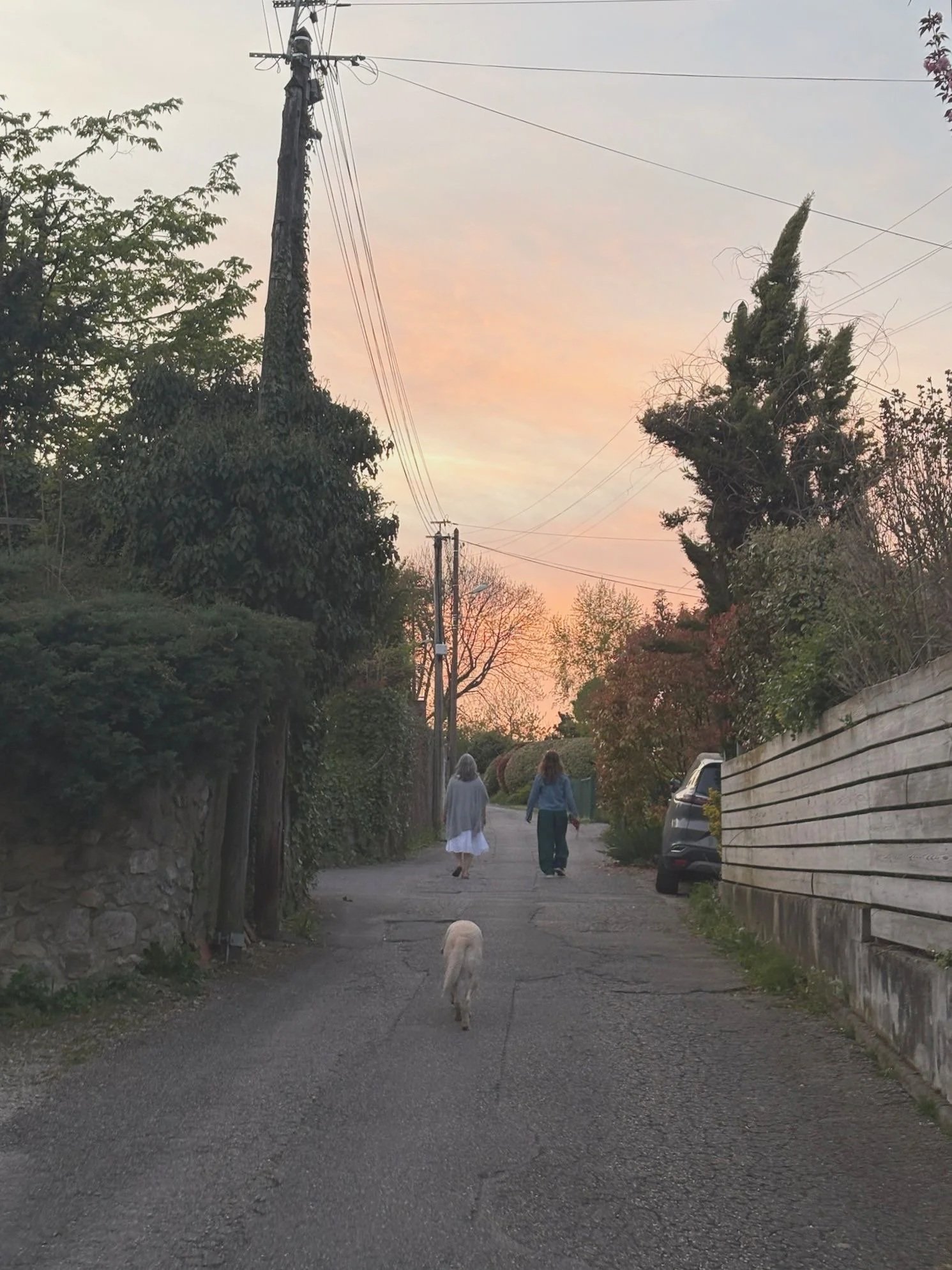
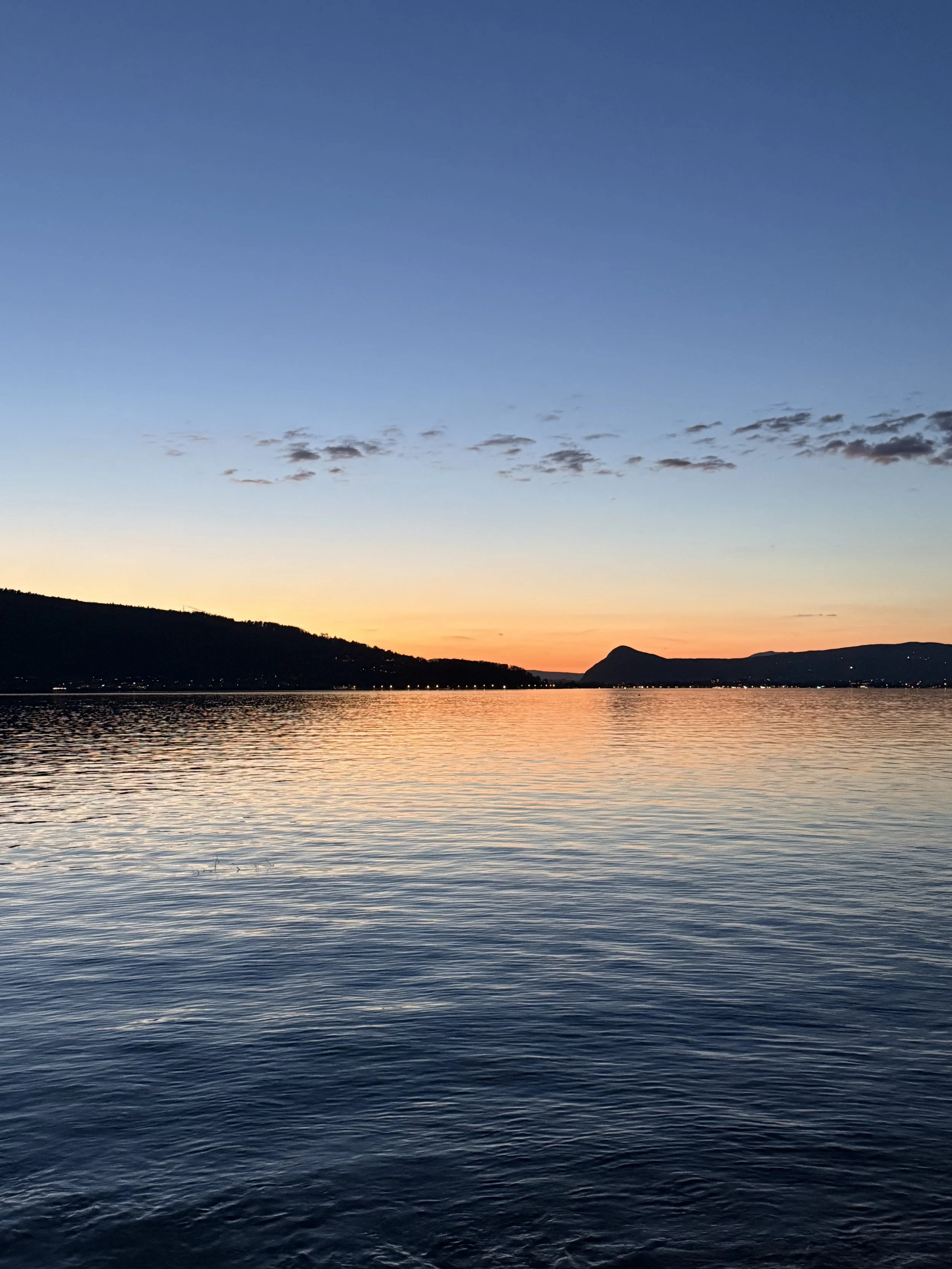
Lake Annecy, April 2026
Sunset from balcony bedroom. xo

I stumbled into this cemetery while biking around the lake.
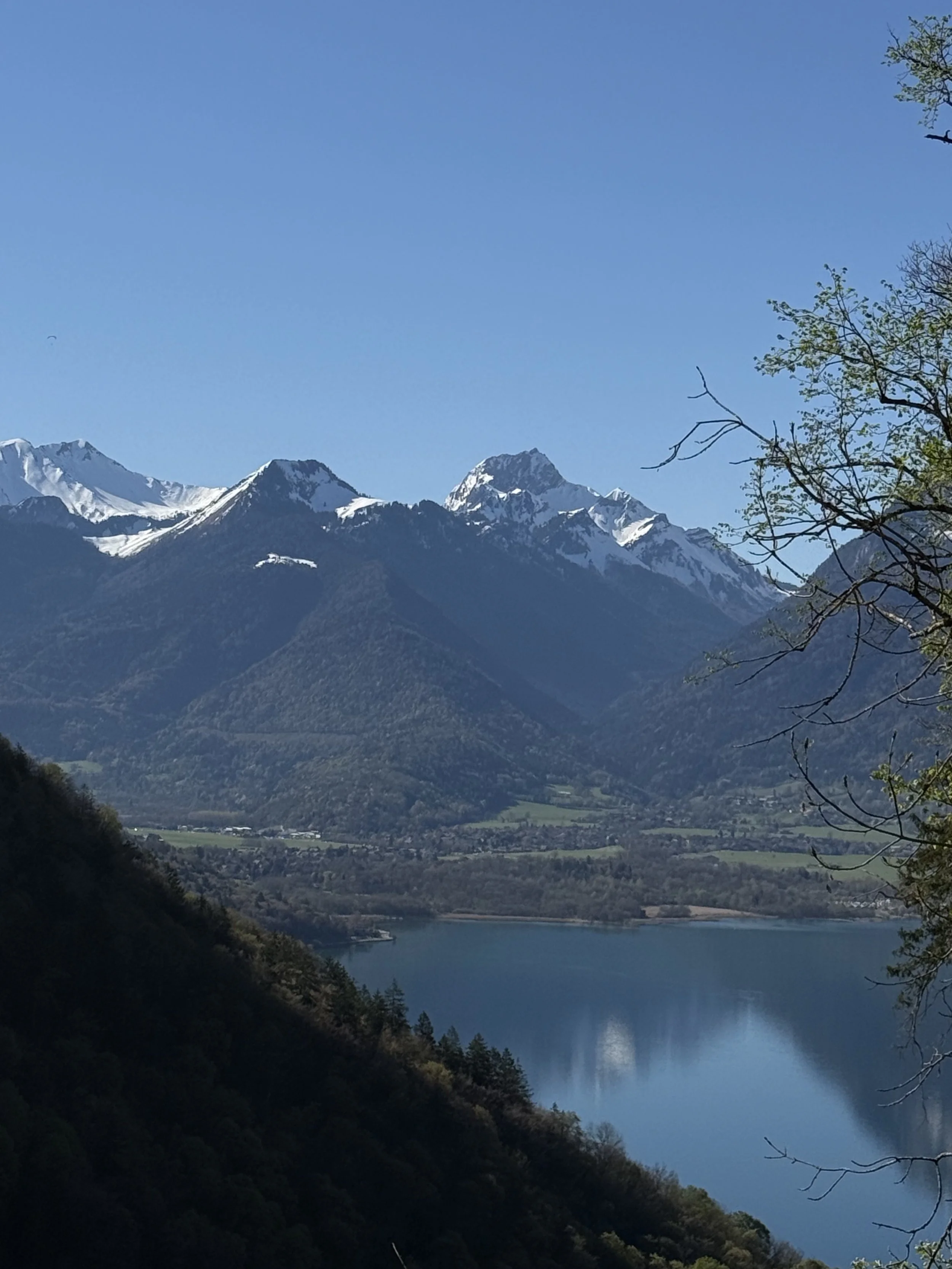
View of the lake from Les Cascades.
Just another sunset…. how many of these photos have I taken over the years?
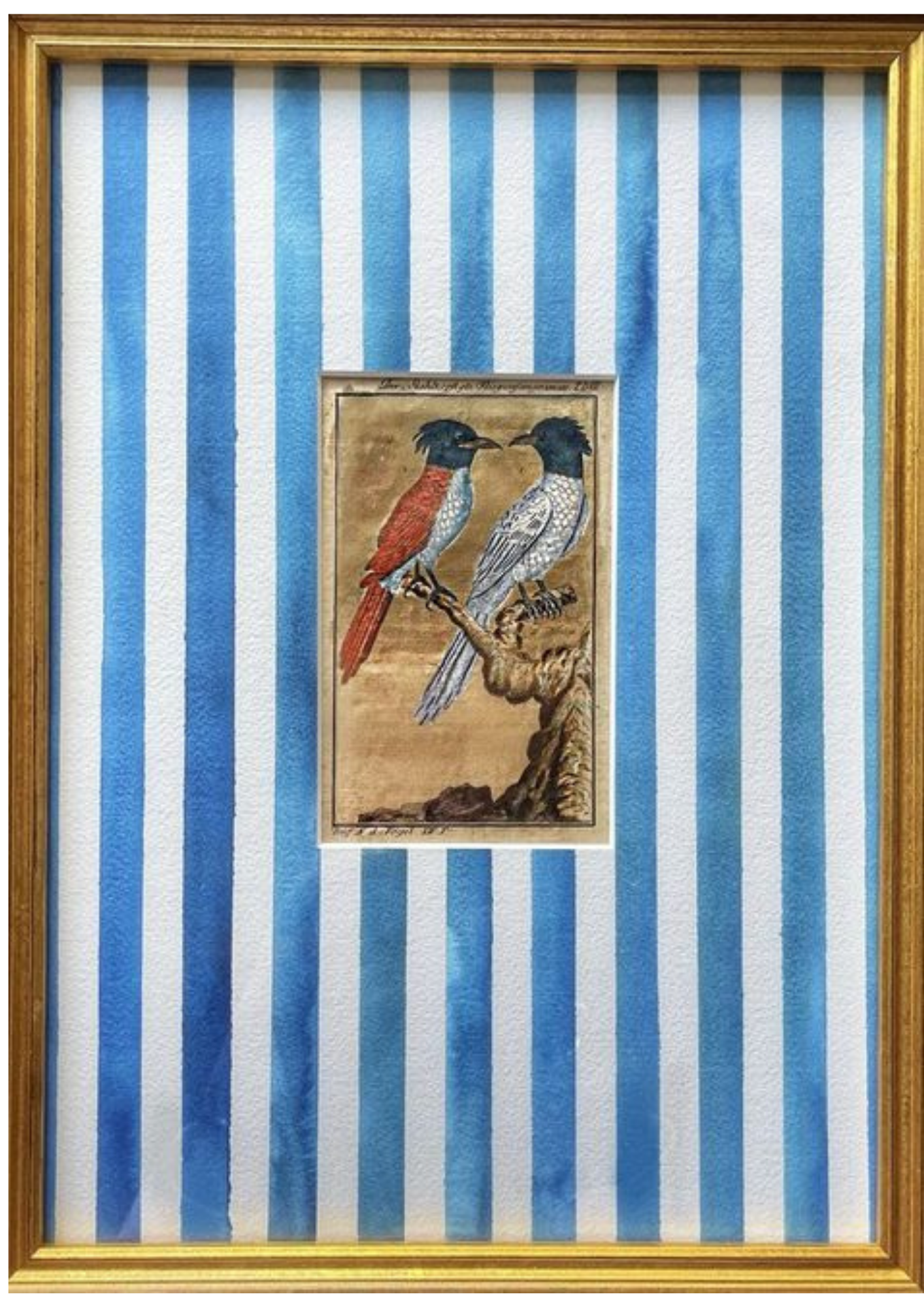
Time, a few centuries here are there,
means very little in the world of poems. - Mary Oliver
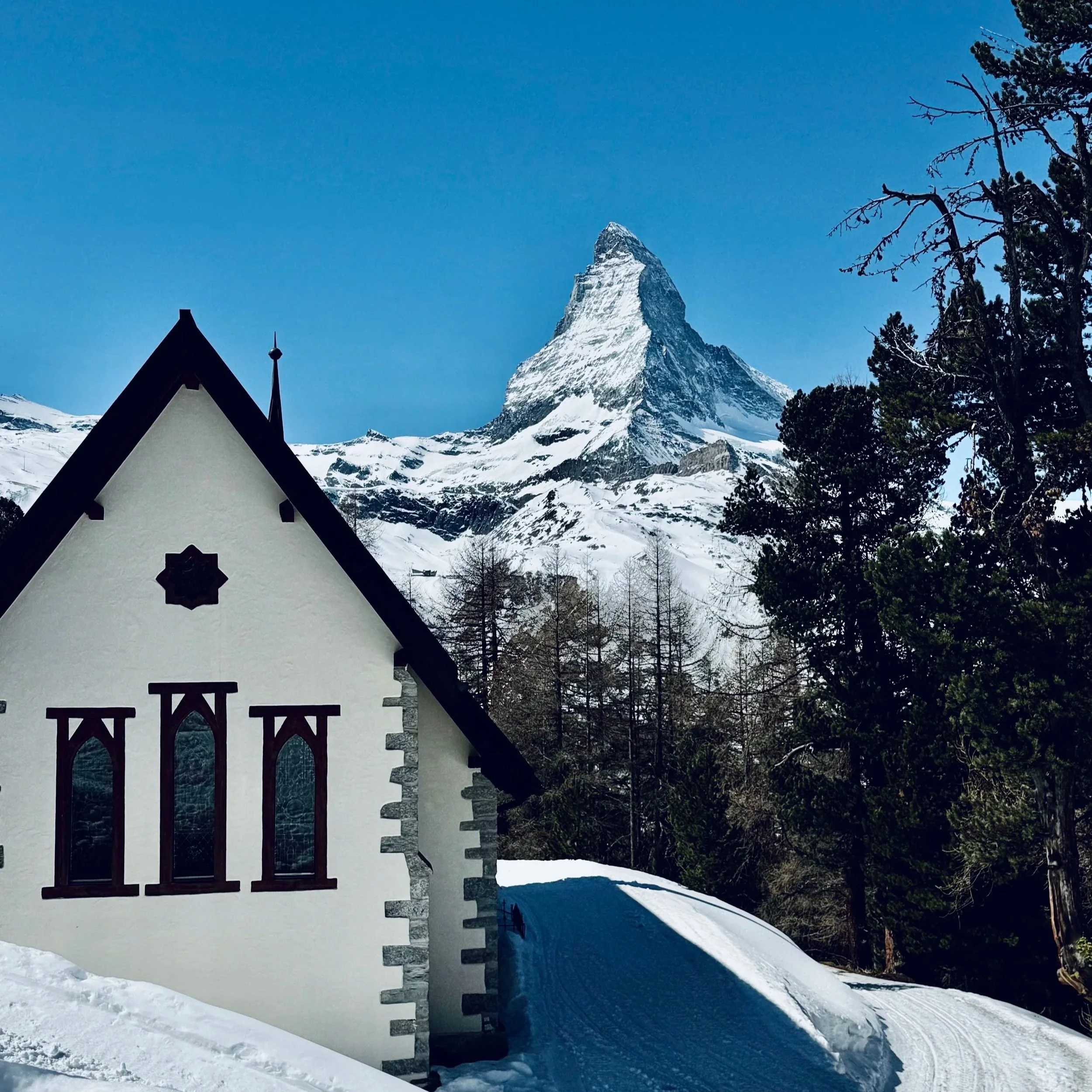
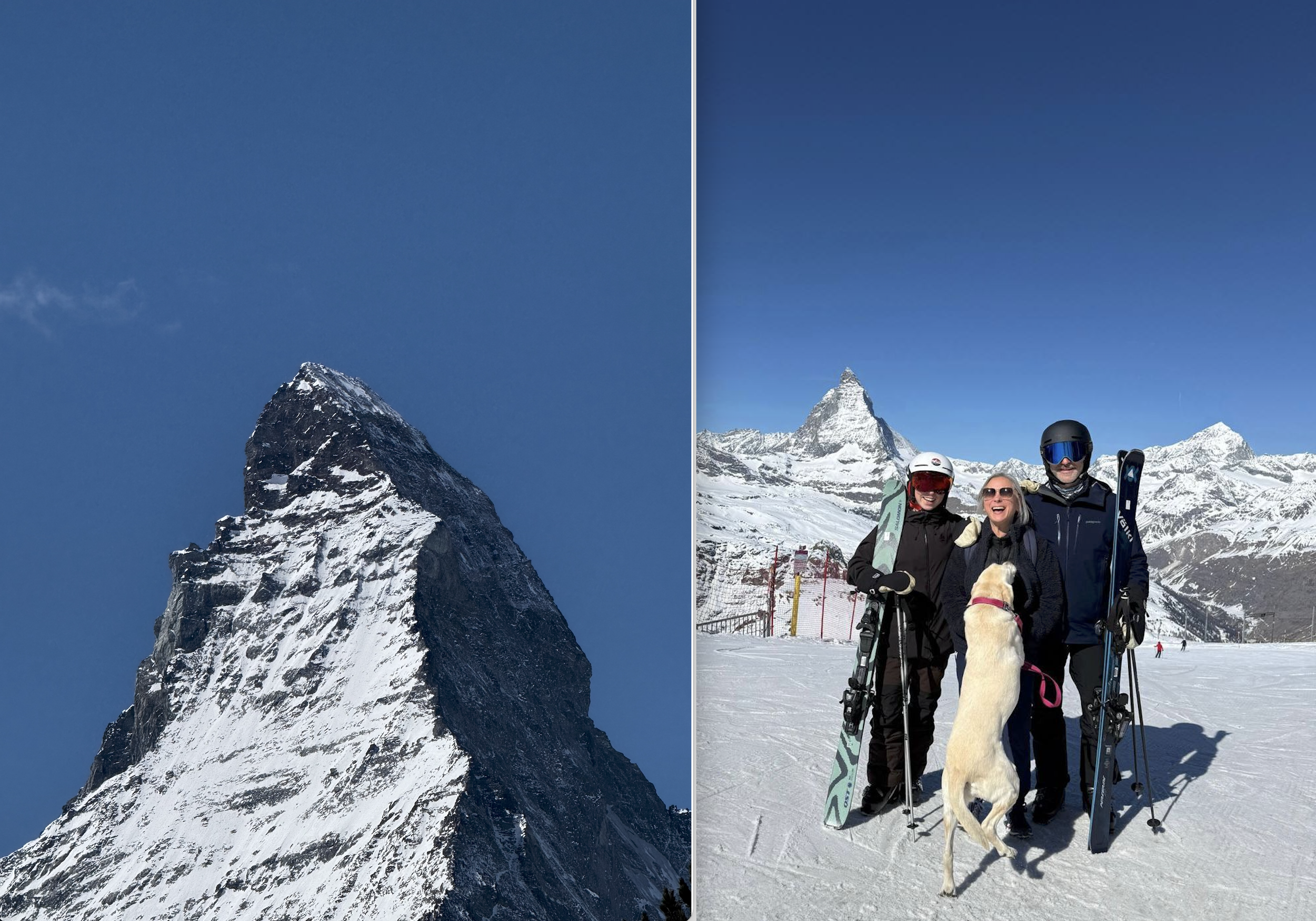
Zermatt, Switzerland
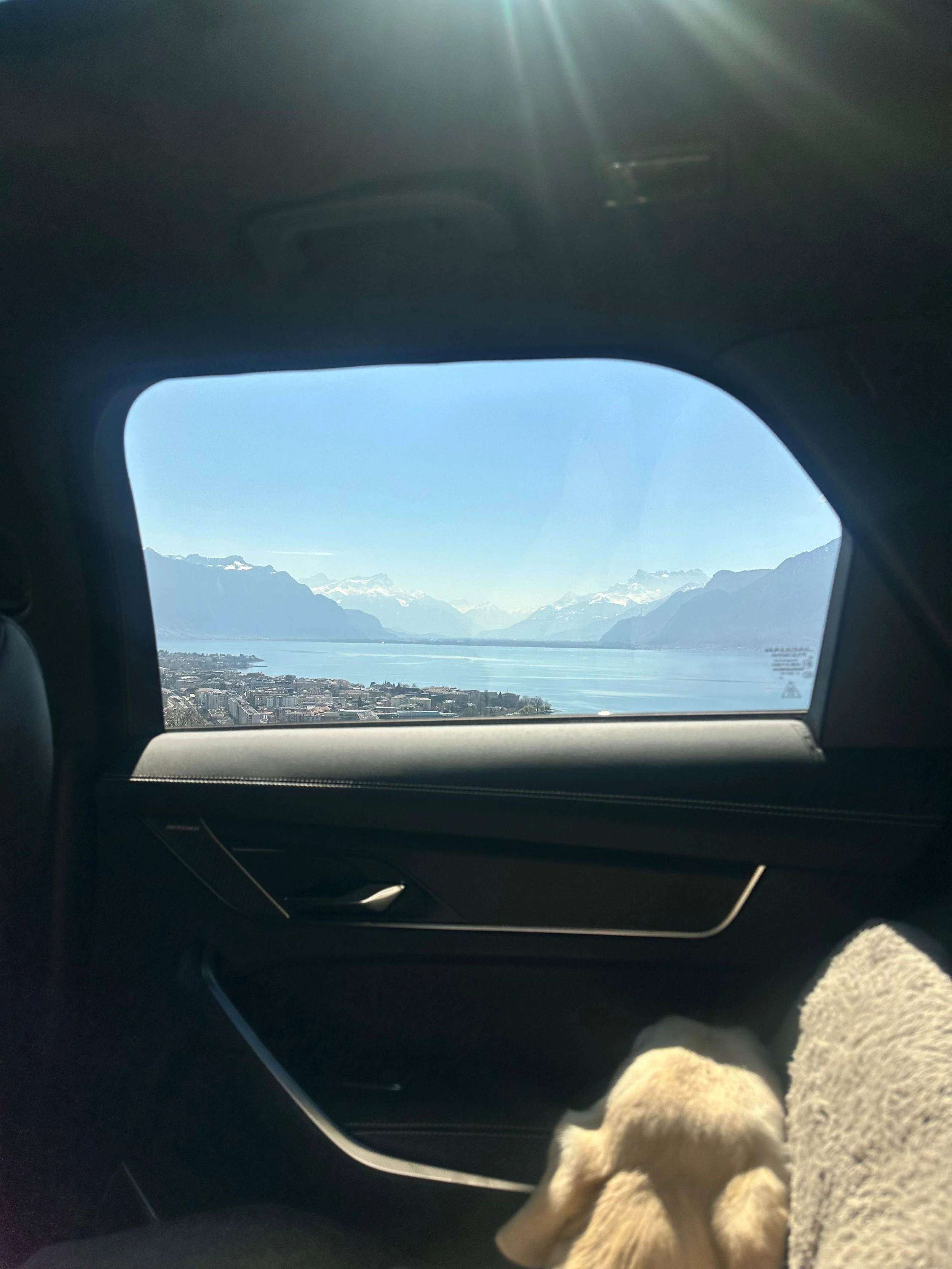
Míša not appreciating the view.

Sophia on the train from Tasch to Zermatt.
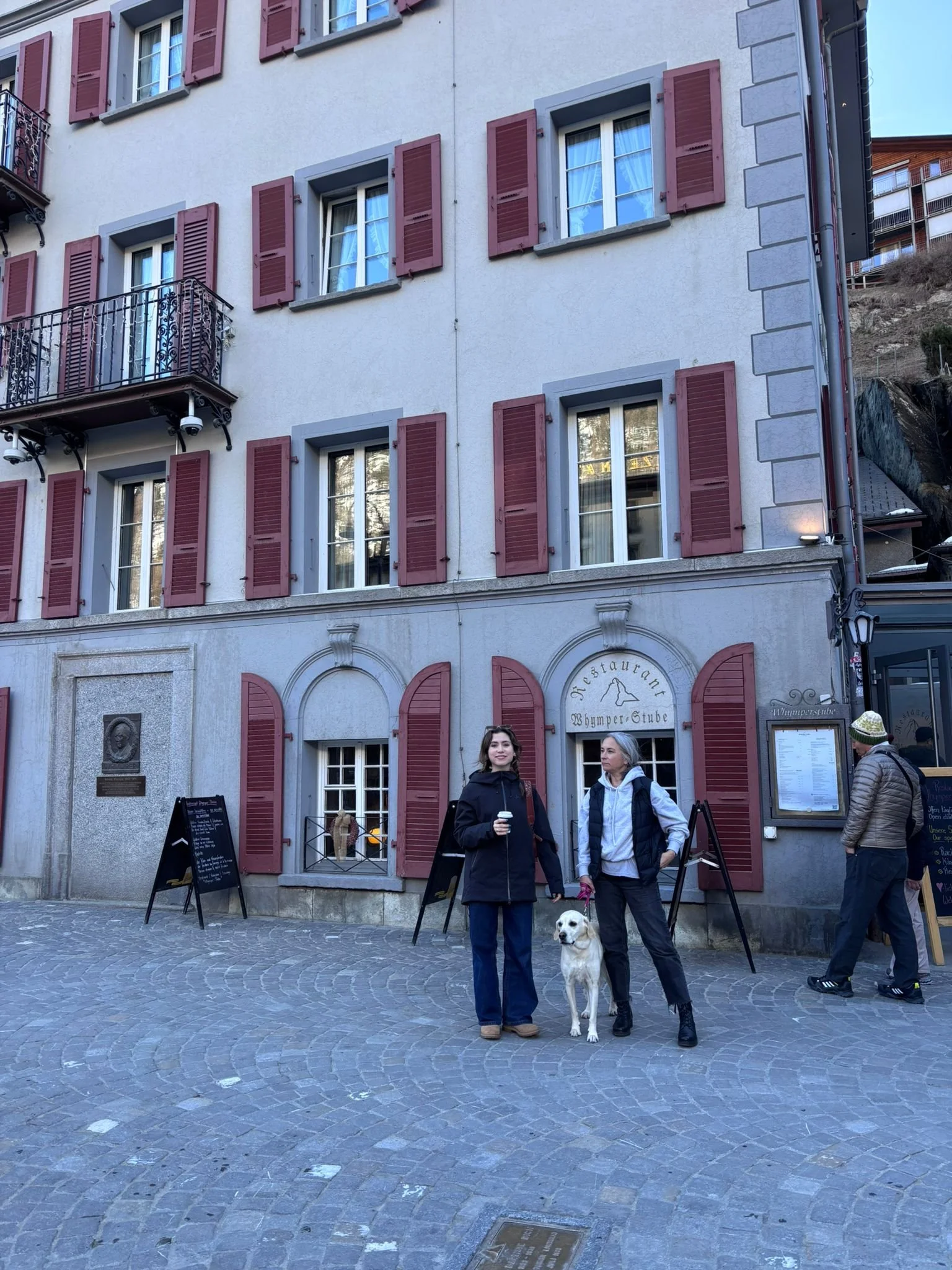
The girls, in Zermatt.
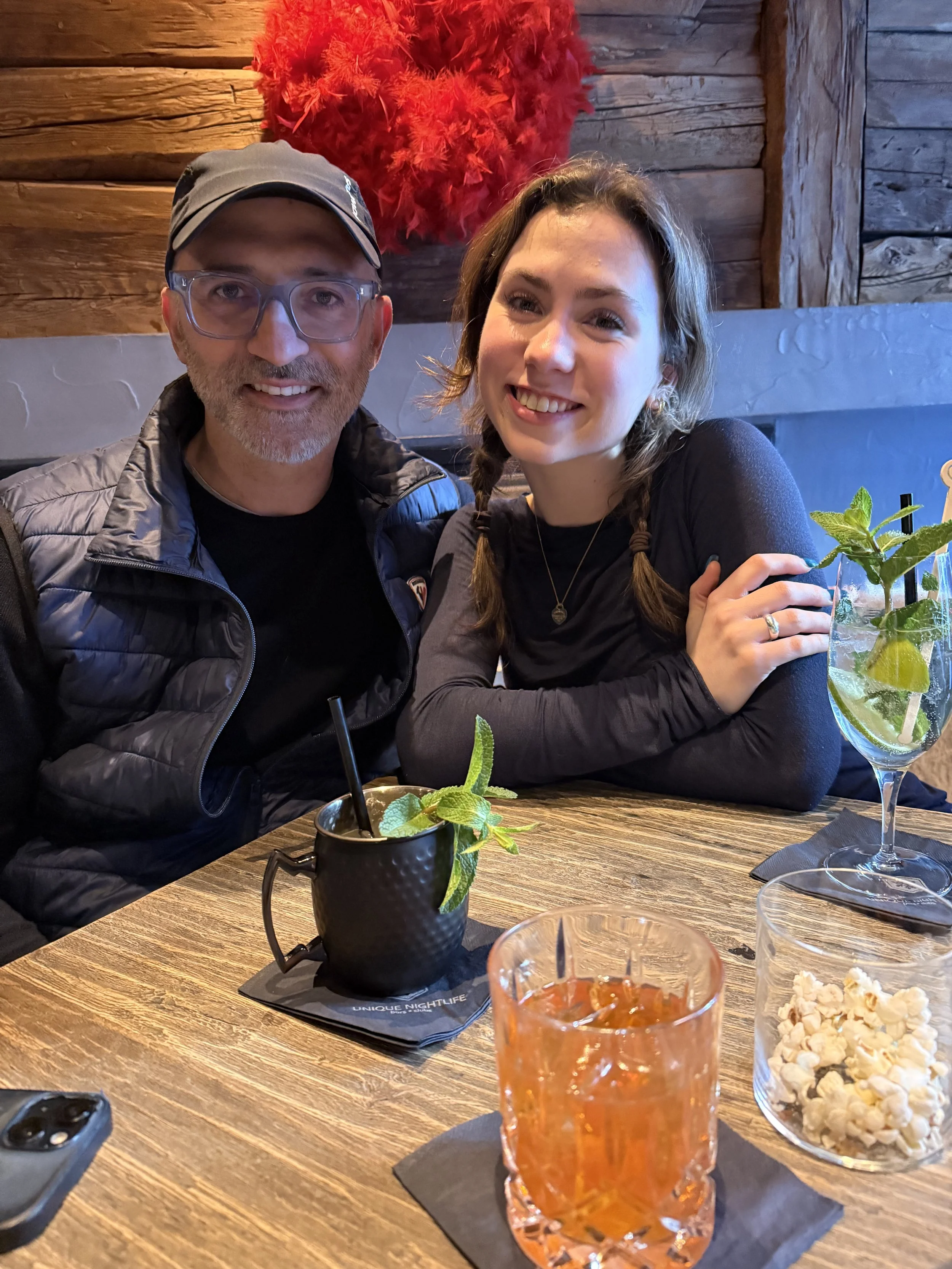
Daniel and Soph - cocktails before dinner.
Thoughts on Thoreau’s cabin in the woods.
Thoughts on Thoreau’s cabin in the woods.
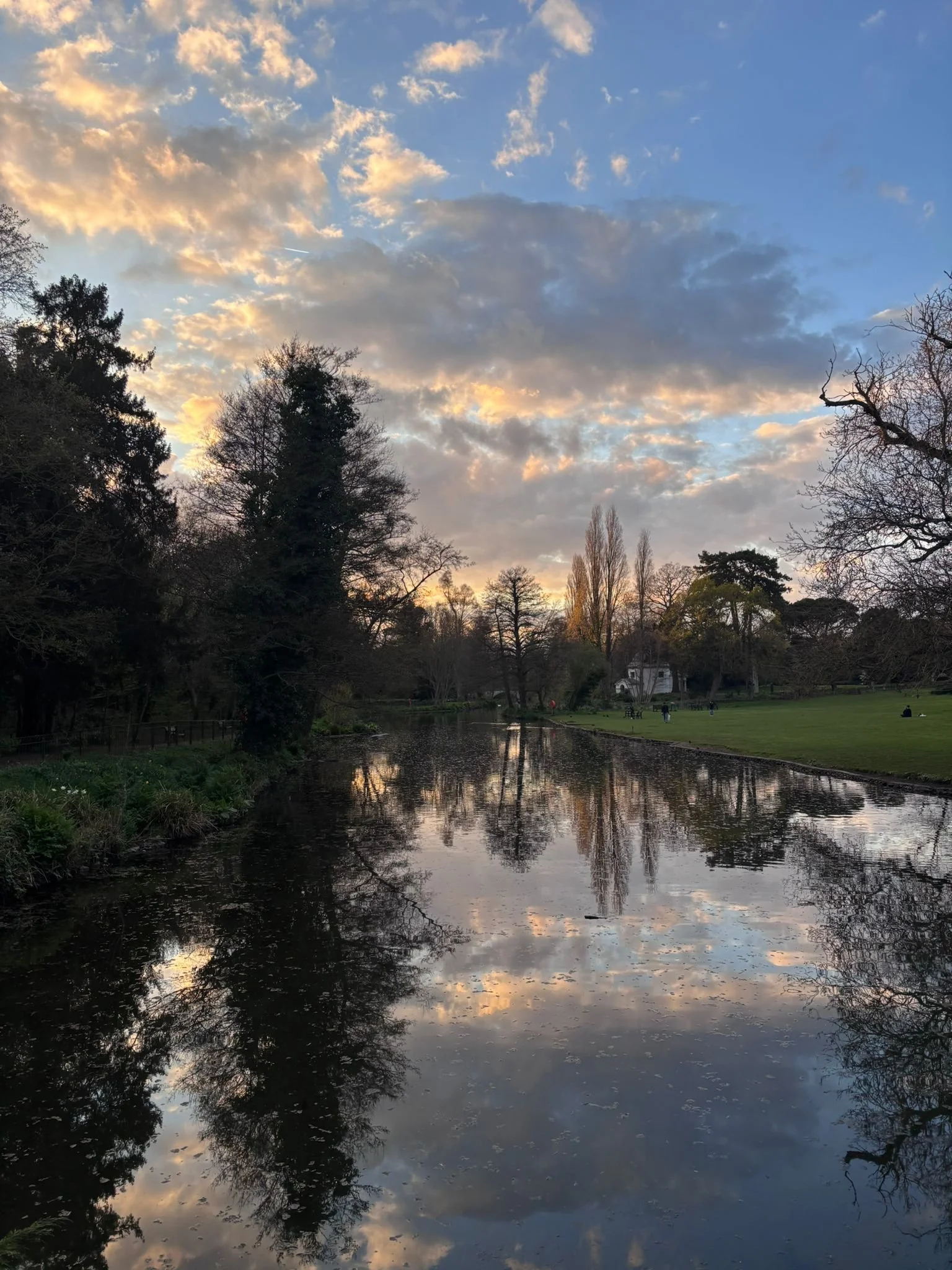
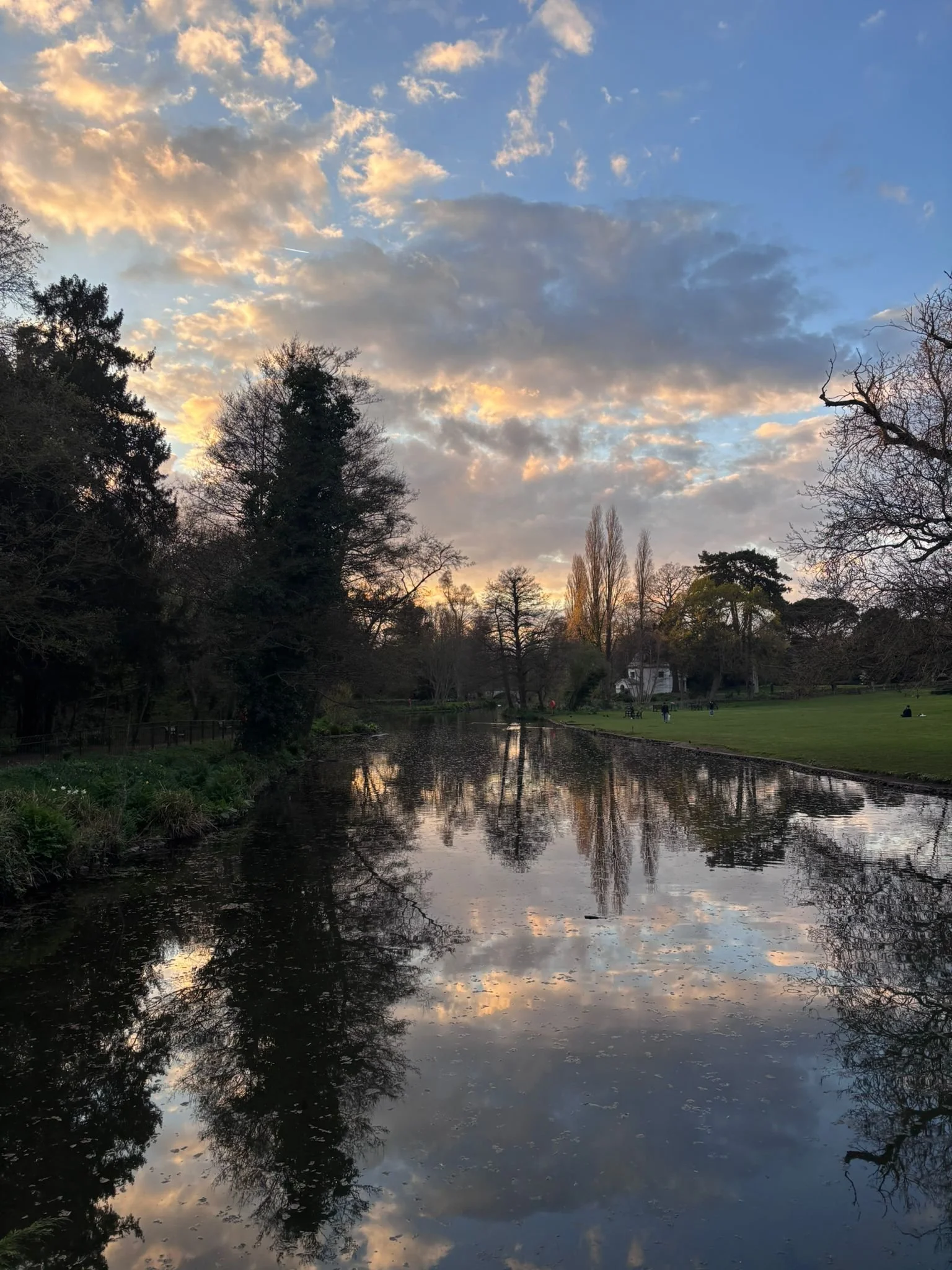
Chiswick House and Gardens
Dearest writing friend,
I learned something new today, do you have a minute?
It’s about this (romanticized) notion of a cabin in the woods (i.e. Henry David Thoreau). An isolated, quiet place where one can do creative work, uninterrupted. A place to simplify, to strip back and, above all else, be alone long enough to hear ourselves think and write.
Thoreau’s cabin in the woods was indeed a rich source of inspiration for him. He spent many hours contemplating nature and enjoying his solitude. And.
He walked into town nearly every day, often to have dinner at his mother's house and to pick up his laundry (which she did for him, so he could simplify, simplify).
He entertained frequently at the cabin — friends, neighbors, and admirers dropped by regularly. At one point he mentions having 25 or 30 visitors at once. But more often, his mother and sisters would stop by to bring him pies, doughnuts and meals.
He was never truly alone in the woods. The railroad ran nearby, he could hear the sounds of Concord, and the pond itself was a popular swimming spot.
Hilariously, Thoreau’s opus, Walden is, at its core, a manifesto about stripping life down to essentials and depending on no one but yourself. But it’s worth noting that the man urging you to simplify, simplify had women preparing his meals and doing his laundry.
I say all this, not to remind you of the unpaid work of women, but to remind myself that I only need a few hours every day to come back to creative work.
And that it’s perfectly wonderful if my cabin is in fact, only a tiny desk in the corner and a pair of noise cancelling headphones. In fact, that’s more than enough. Who can write more than two hours a day anyway?
xo, L