On Food/Travel Writing
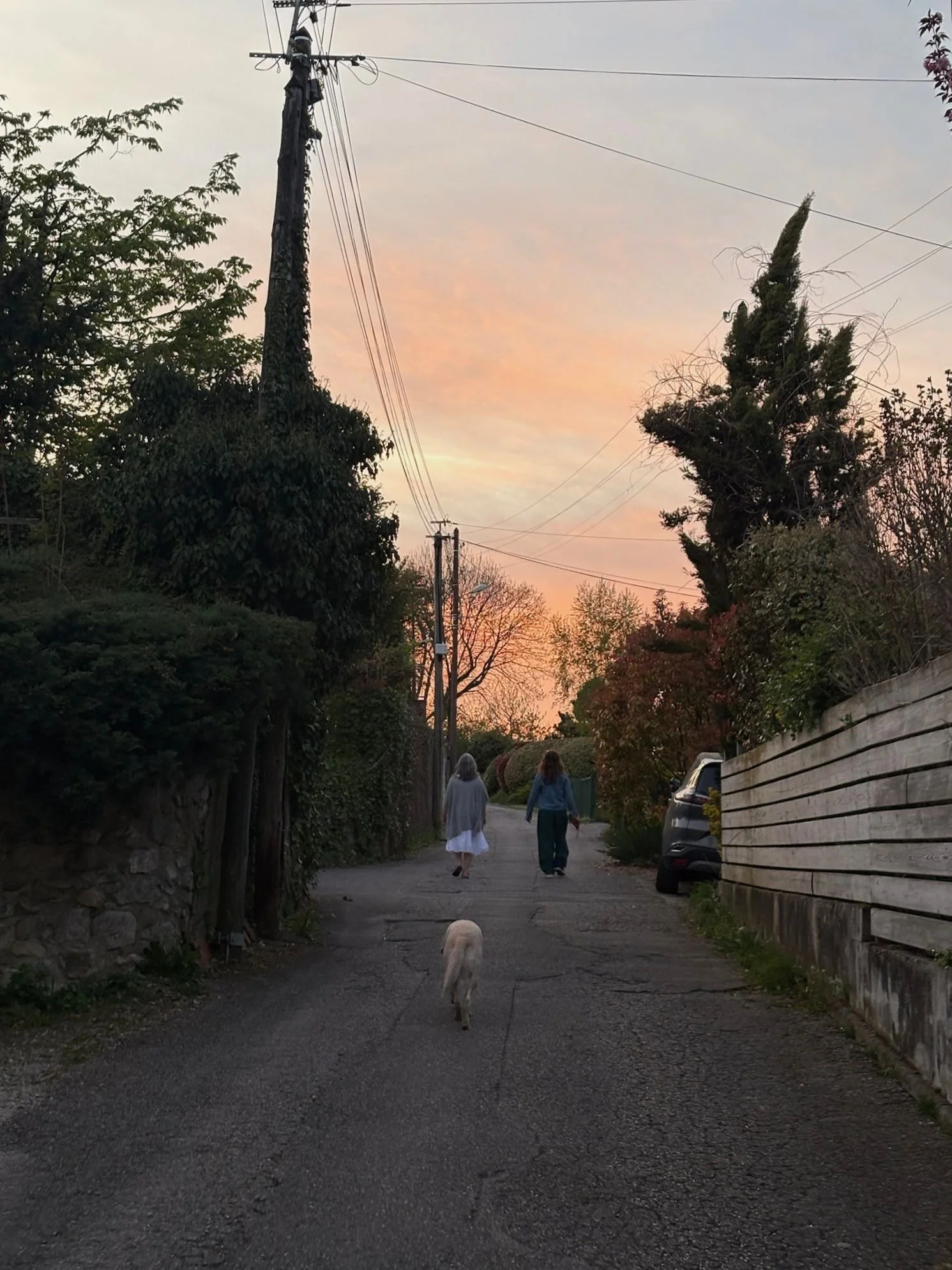
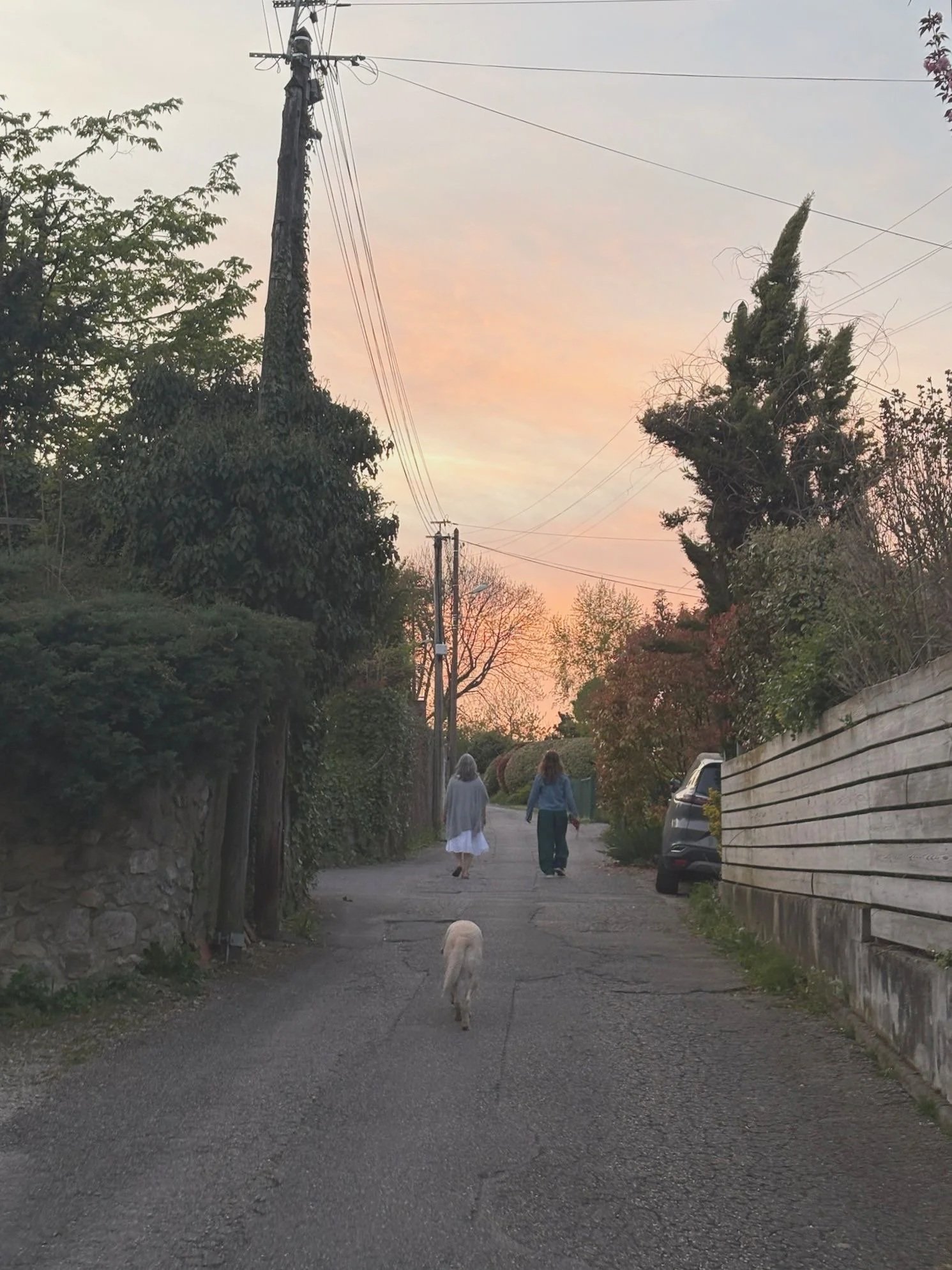
Food writing is probably the purest form of travel writing. I can think of no better example than Anthony Bourdain, as discussed in this article. some notes:
voice - When you start a travel‑essay, ask: Why me here? What viewpoint am I bringing? What stakes (emotional or personal) do I have?
observation - Write a scene of five lines; then remove one adjective per line. See if it still jumps off the page.
curiosity - Bourdain often emphasised that his work was less about mastering a place and more about trying to understand it. Include a moment when you were wrong, surprised, or humbled. It will, most likely, resonate.
show the scene - “This is the way so many of the great meals of my life have been enjoyed. Sitting in the street, eating something out of a bowl that I’m not exactly sure what it is. Scooters going by. So delicious. I feel like an animal. Where have you been all my life? Fellow travelers, this is what you want. This is what you need. This is the path to true happiness and wisdom.”
Identify three full senses (smell, sound, taste) in your next scene and build around them.
the myth of neutrality - Travel writing is not inherently neutral. When you’re a visitor - to another culture, country, community - your gaze matters. What do you assume? Whom do you centre? How do you handle difference?
suggestions -
Start with an image that surprised you.
Let sensory detail lead.
Allow yourself to not know.
End with not the summary of what you “learned”, but the question you’re left with.
Write what you see, not what you expect.
Let discomfort into the narrative - if you feel out of place, lean into it.
Structure your piece around a question, not a conclusion.
Think in terms of scenes.
Your confusion is part of the story so welcome it in, don’t hide it.
Edith Eger
Suffering is universal. But victimhood is optional. There is a difference between victimization and victimhood. We are all likely to be victimized in some way...
Survivors ask, what now?
On meeting Ruth Ozeki
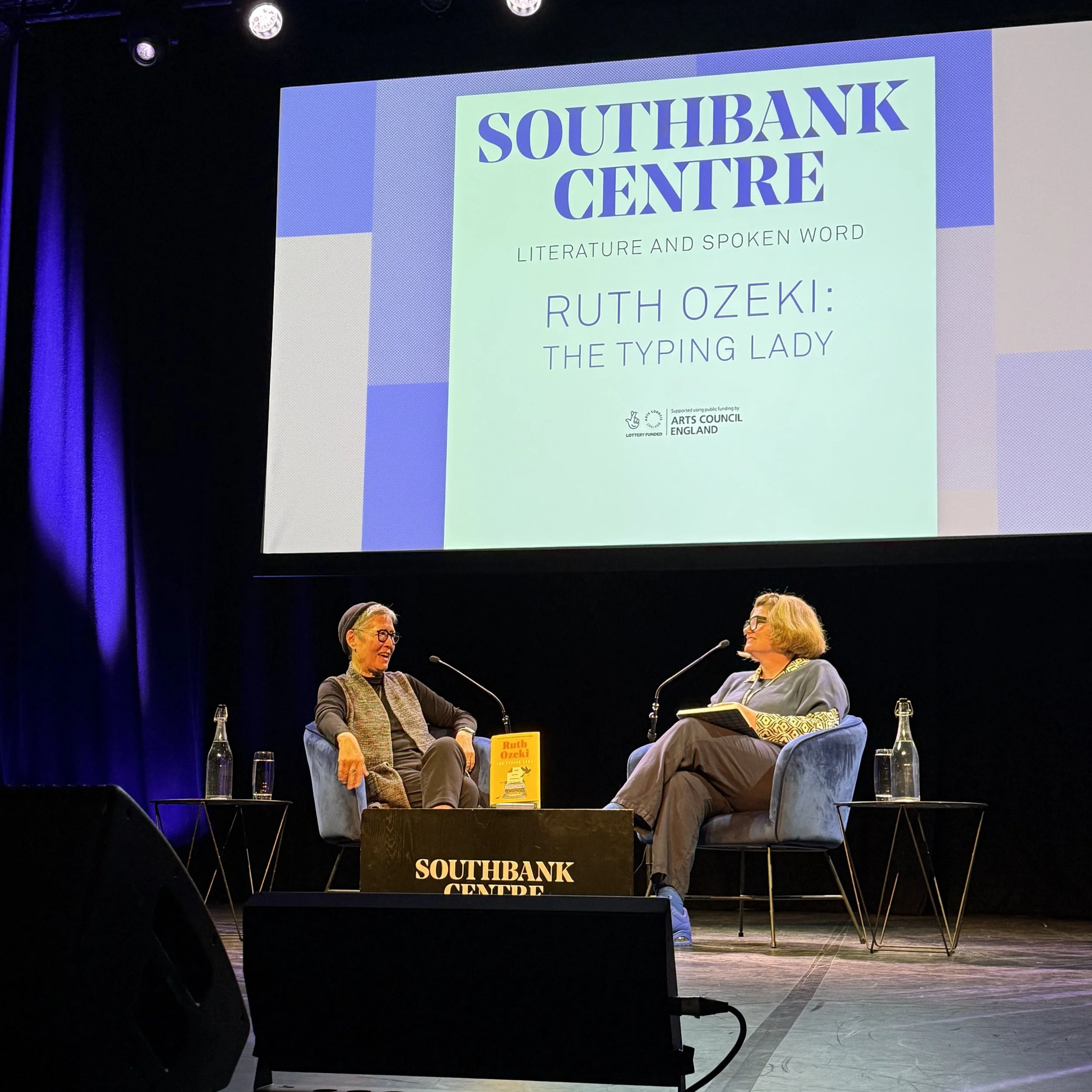
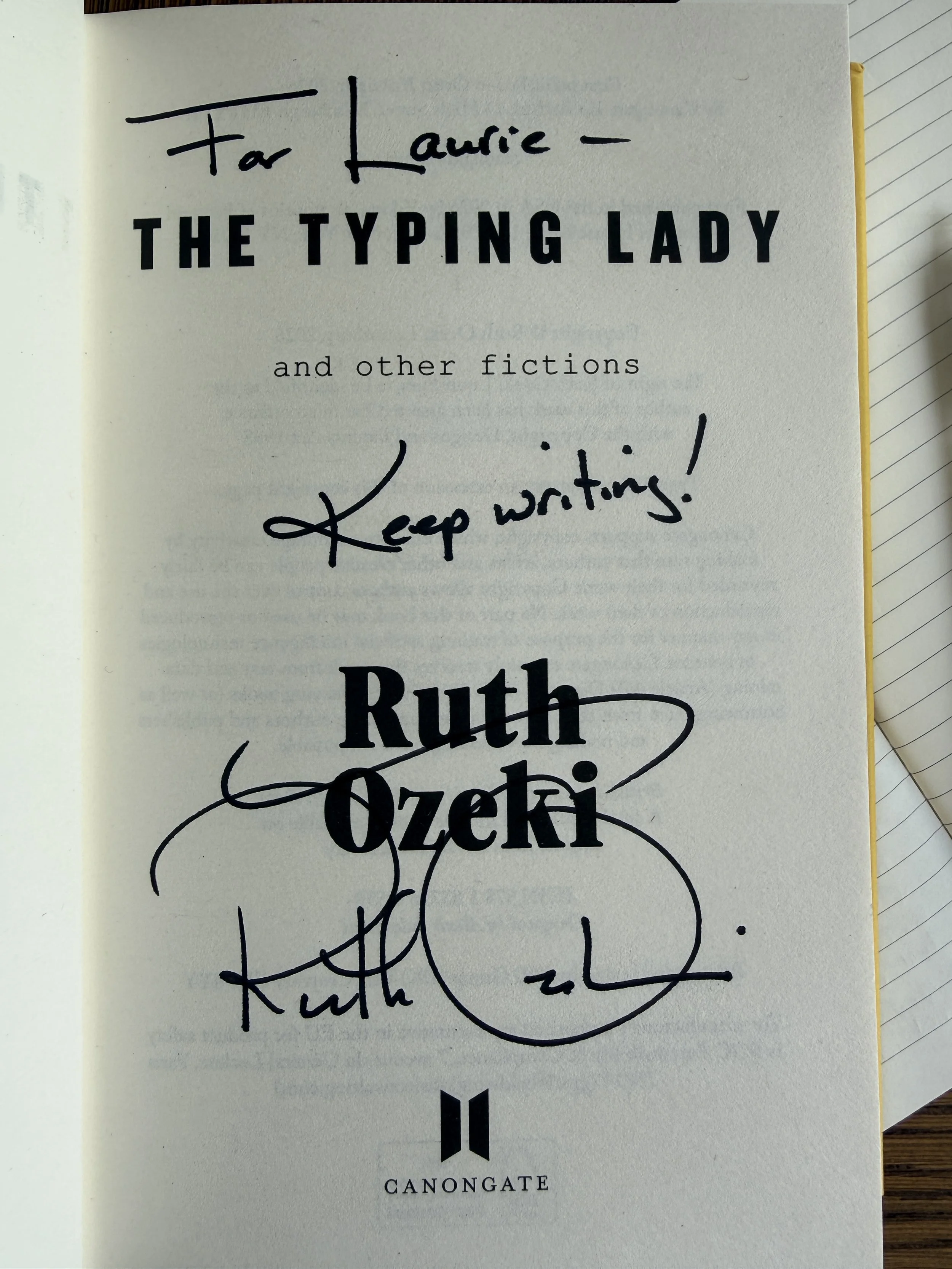
I met Ruth Ozeki!!!!
She is hands down one of my favourite authors. Never mind the fact that no one I know has ever heard of her, and that I had four tickets to the event and could find NO one to go with me except my daughter, who went primarily because she felt sorry for me.
For the record, I would’ve been absolutely fine going alone - but in the end I'm glad she came, because she convinced me to get my book signed. When it was my turn, I COMPLETELY FROZE and Sophia had to jump in and say "This is my mom, she's a writer and she loves you so much."
And Ruth was so gracious and sweet and said nice things. At which point, encouraged, I said something like "I became a yoga teacher because you're a Zen Buddhist priest." (what?!?!) And she responded as if ours was the most natural conversation in the world. Bless her.
Some craft tidbits from her talk:
Her Zen practice helps her write from the brain and the body of her characters — she can drop into a meditative state and experience the scene from her character's perspective.
Her eye as a filmmaker helps her figure out from which perspective to tell the story.
Her experience as a film editor taught her how to move a story along quickly.
Assume you and your reader are on the same wavelength. You don't need to over-explain.
Thanks for visiting London, Ruth. xoxo
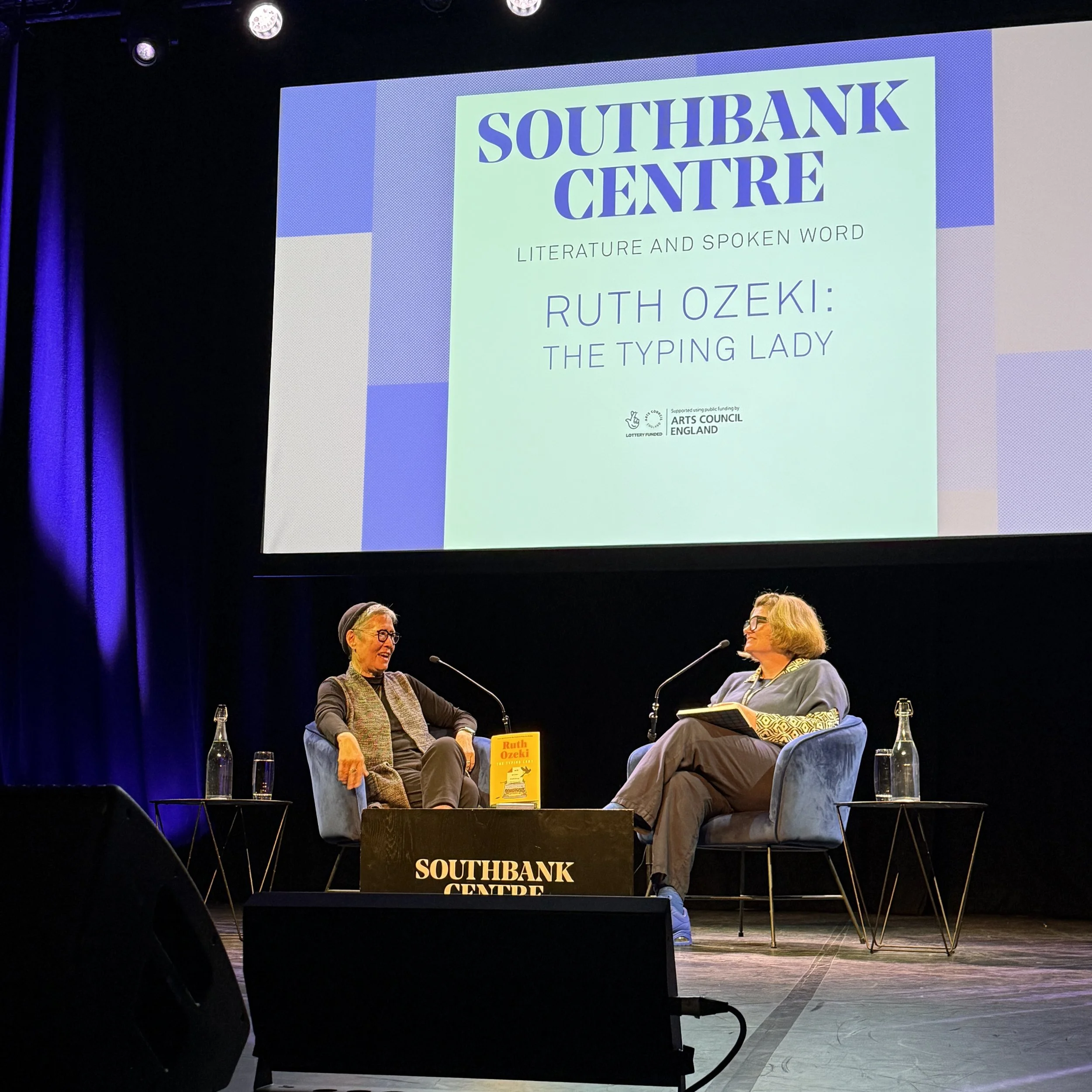
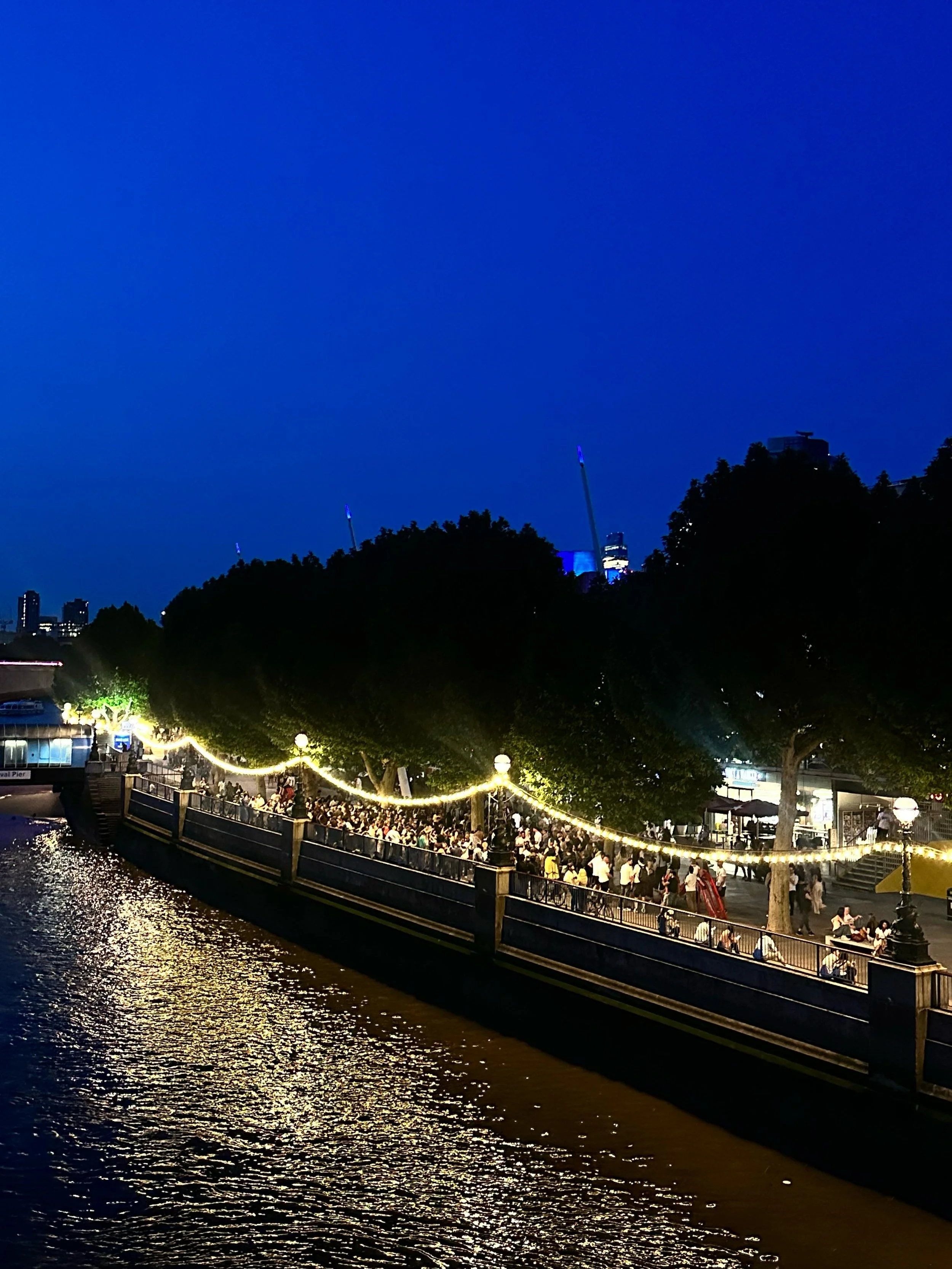
London’s Southbank on a summer night is magical. Food stalls, lights, music, dancing - it's such a great scene. And not just for young people! People my age were leaving the BFI and the Literary Festival and getting caught up in the energy. I didn't dance exactly, but I wiggled my hips.
The Consciousness of Creativity
From the Telepathy Tapes, S2 E3 -
Elizabeth Gilbert: "Ideas are conscious entities outside of ourselves that do not come from us but to us. Artists are sort of antennae who absorb ideas, that ideas swirl around the world looking for human collaborators, knocking on our doors and tapping on our shoulders and coming to us in the form of inspiration."
Gilbert's writing discipline: sit at the desk for 60 minutes, no standing up, no internet, no rule about producing anything. "You are not allowed to stand up from this desk for 60 minutes... Like, were you available so that if ideas came, they could find you at your desk?" The point isn't to write. The point is to be findable.
Ideas pick collaborators who are available. If you can't host them, they move on.
Rick Rubin: "The best artists seem to have an antenna open to whatever the universe wants to happen now in this moment. The information comes in and it's magic. And then we - the rest of us - we're the craftsman."
Rubin again: two artists can channel the same idea and make completely different things. The download is the seed; the labor is the manifestation.
Tom Waits to a melody muse on the LA freeway: "Can't you see I'm driving? Do I look like I have a piano here?... If you're serious about wanting to be a song, you know that I spend eight hours a day in the studio. The next time you see me in the studio, come and see me then. Otherwise, stop bothering me and go bother Leonard Cohen."
My name is Lucy Barton by Elizabeth Strout
That’s when I learned that the work gets done if you simply do it.
—
You will have only one story… You’ll write your one story many ways. [So] don’t even worry about story. You will have only one.
Je ne savais plus quoi dire
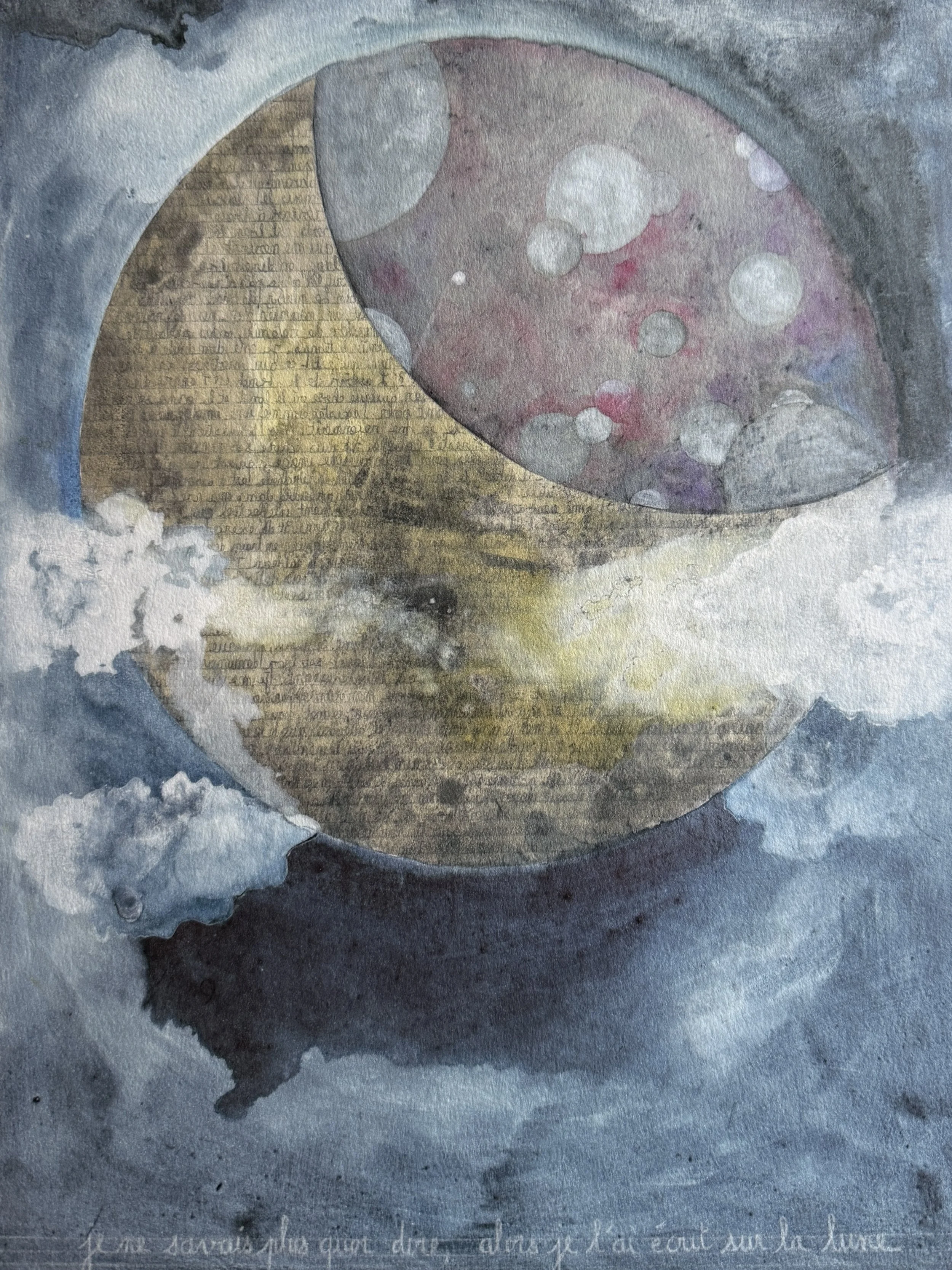
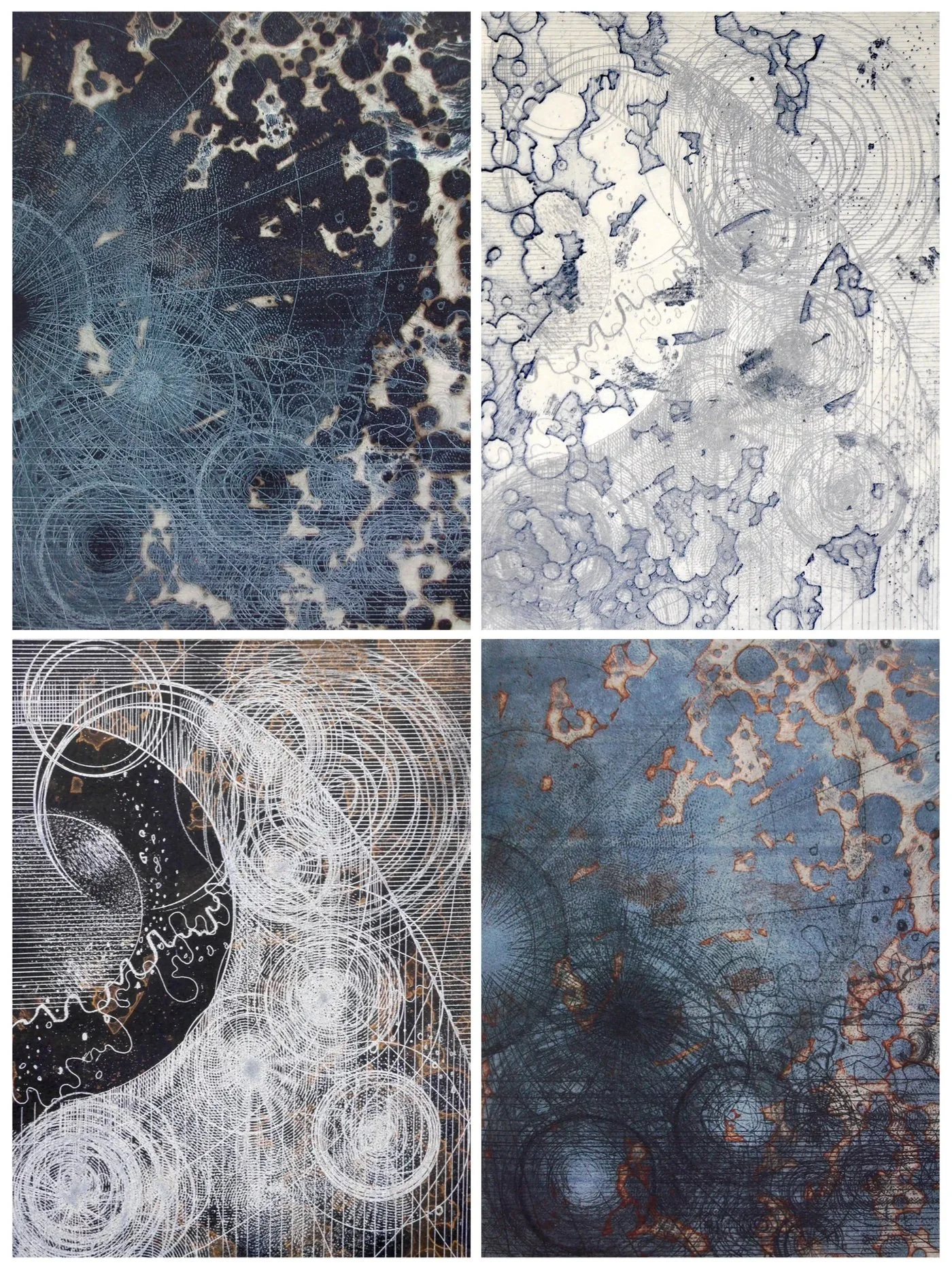
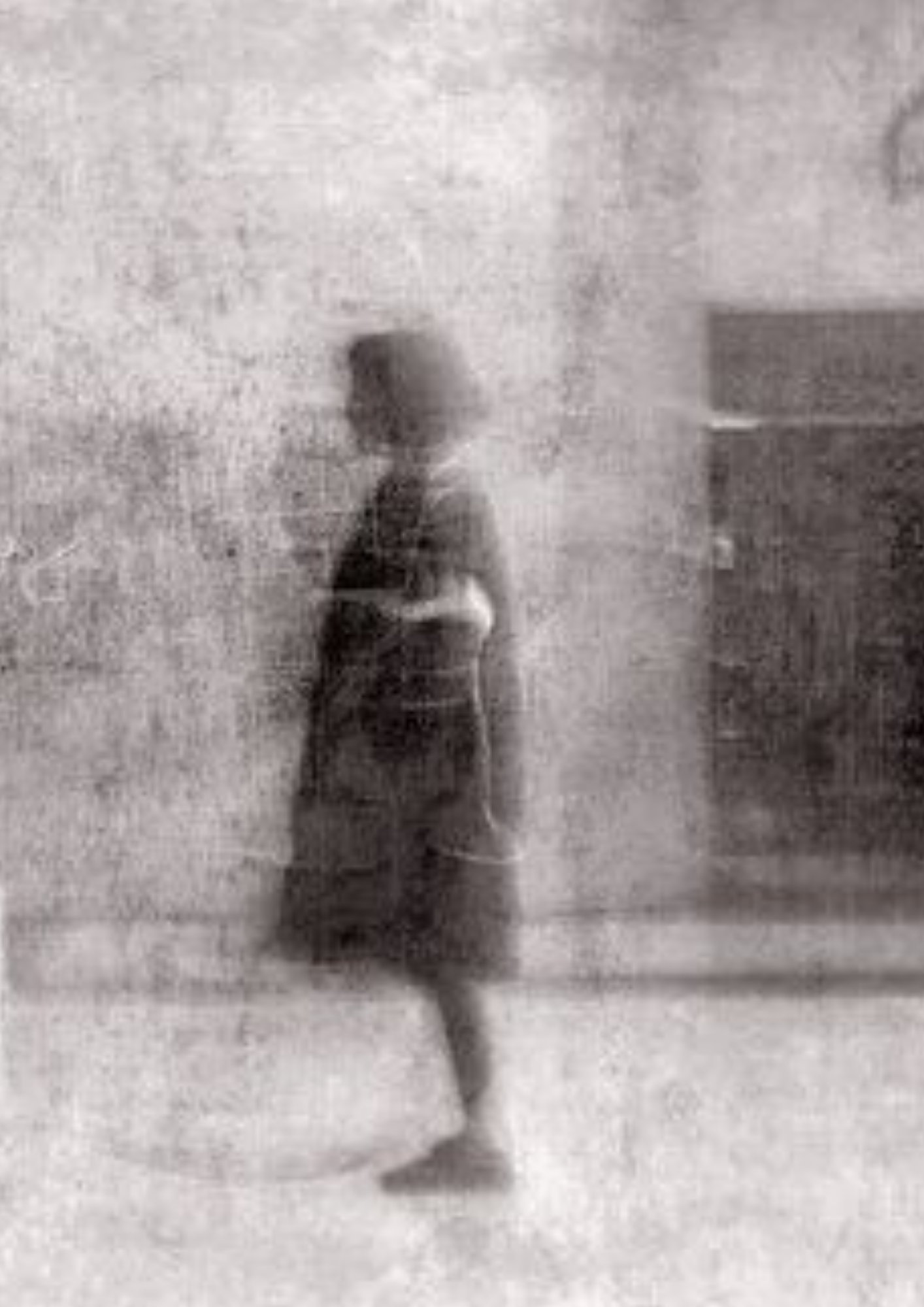
Je ne savais plus quoi dire, alors je l’ai écrit sur la lune. - Julien Collieux
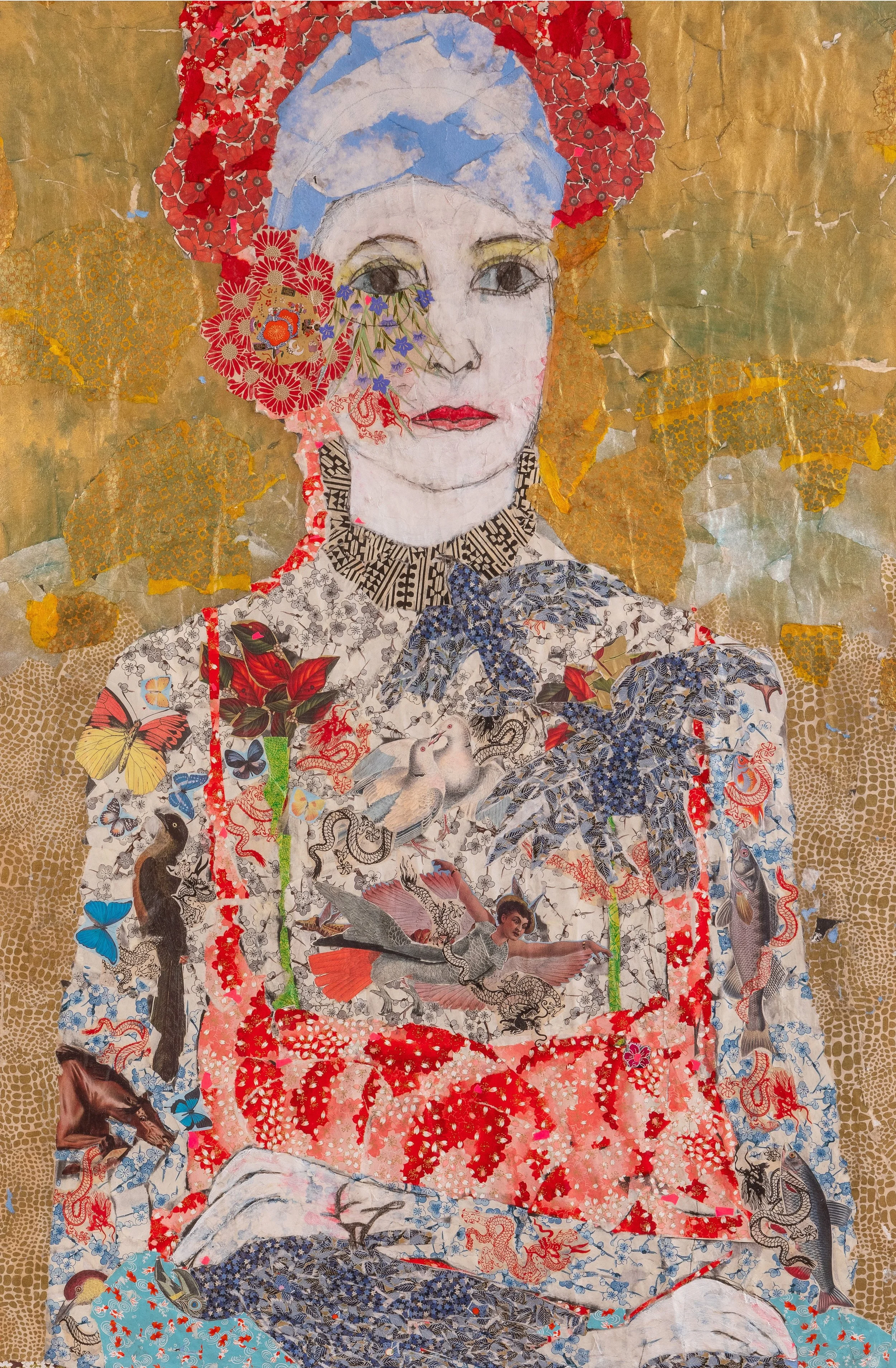
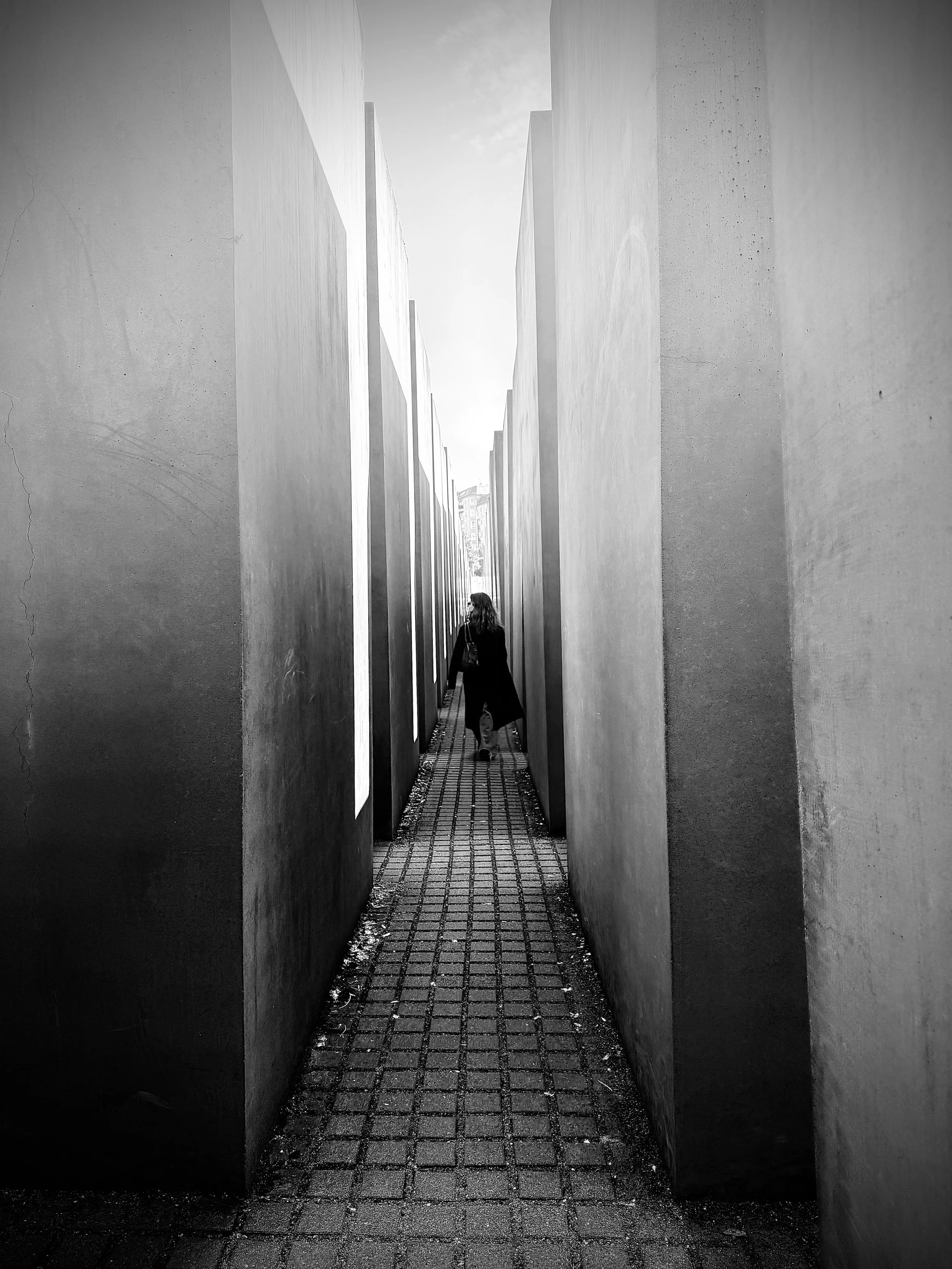
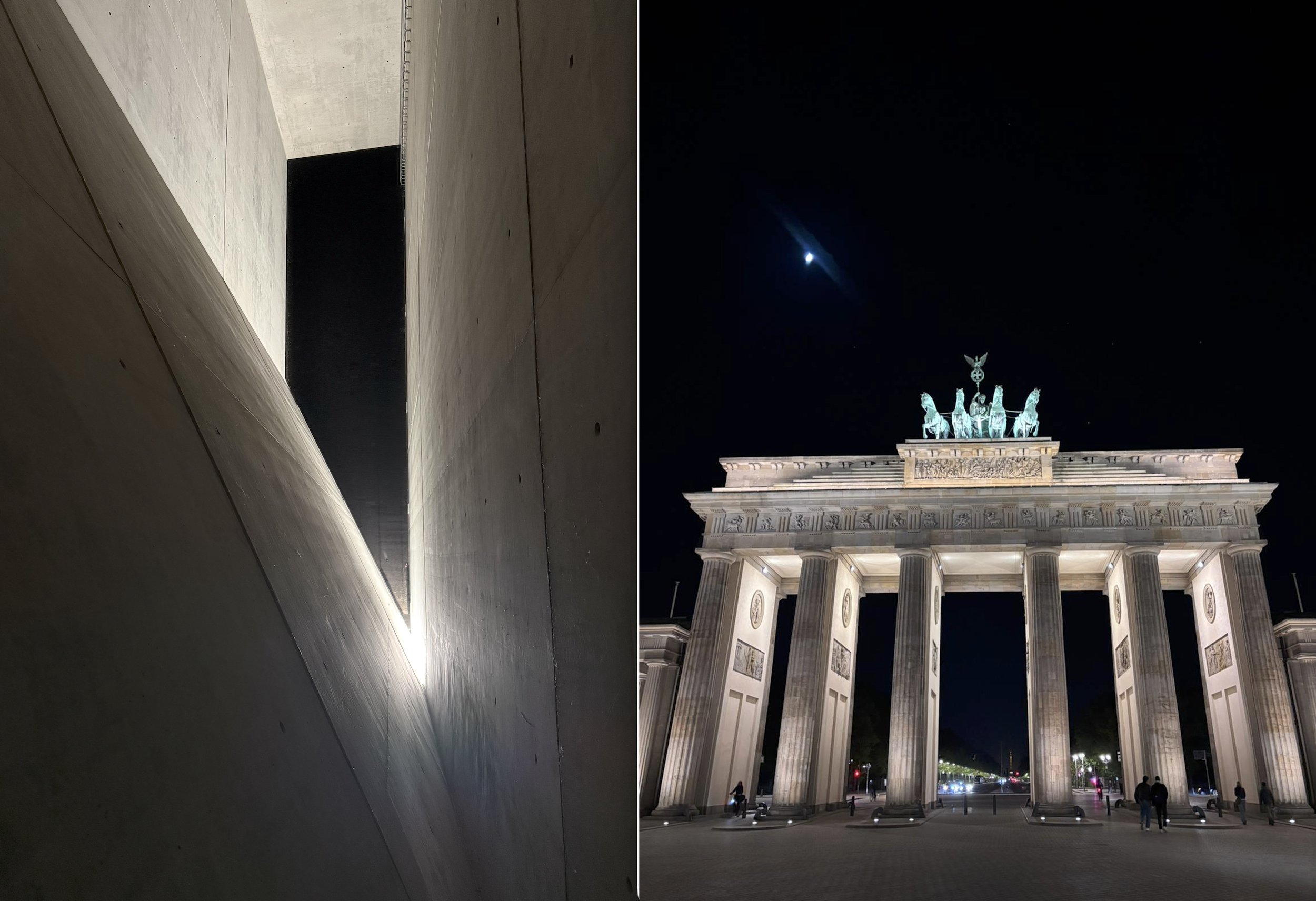
What to do today?
How we spend our days, is of course, how we spend our lives. - Annie Dillard
Wisdom is knowledge embodied.
Knowledge can be read in a book or transferred from one person to another. Wisdom is knowledge earned through experience.